
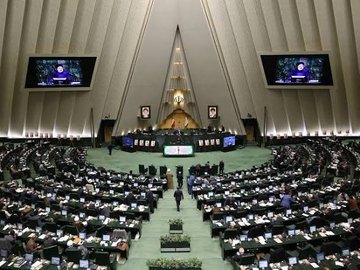
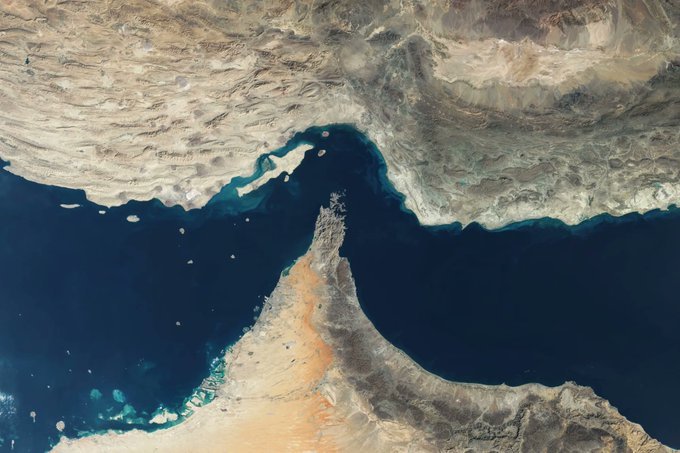
In a move that fundamentally challenges decades of international maritime law, the Iranian Parliament officially approved a bill on Monday, March 30, 2026, to impose mandatory “transit fees” on all commercial vessels passing through the Strait of Hormuz. The legislation seeks to institutionalize what has been a series of informal, case-by-case payment arrangements since the conflict began on February 28.
Monetizing a Global Chokepoint
The new law is framed by Tehran not as a blockade, but as a “security and regulatory service fee” for the maintenance and protection of the waterway.
- The “Toll” Structure: While the final fee schedule is being finalized by the IRGC Navy and the Ministry of Transport, reports from the Associated Press and Lloyd’s List suggest fees of up to $2 million per voyage for large tankers.
- Sovereignty Claim: Lawmaker Mohammadreza Rezaei Kouchi defended the bill, stating, “It is entirely natural; just as goods pay transit fees in other corridors, the Strait of Hormuz is a corridor where Iran provides security.”
- Payment in Yuan: To bypass U.S. financial sanctions, the bill reportedly encourages (and in some cases mandates) that payments be settled in non-dollar currencies, specifically the Chinese Yuan.
The “Approved” Corridor vs. International Law
The legislation codifies a new maritime reality that has emerged over the last 30 days of war.
- Northern Route: Vessels that pay the fee are assigned a special code and receive an IRGC escort through a northern corridor between the islands of Larak and Qeshm, rather than the traditional international shipping lanes.
- UNCLOS Violation: Critics, including Indian Prime Minister Narendra Modi and the G7, have characterized the move as a flagrant violation of the United Nations Convention on the Law of the Sea (UNCLOS), which guarantees “transit passage” through international straits.
- Selective Enforcement: The law explicitly denies “free passage” to “enemy nations”—specifically those flying U.S., Israeli, or British flags—while offering a framework for “coordinated passage” for nations like China, Russia, Pakistan, and India.
A “Point of Contention” for Peace Talks
The timing of the bill’s passage appears calculated to provide Tehran with maximum leverage in the ongoing “Islamabad Track” negotiations.
- The U.S. Stance: One of President Trump’s core 15-point conditions for a ceasefire is the restoration of “free and open” navigation.
- The Revenue Potential: Bloomberg estimates that if successfully legislated and enforced post-war, the toll system could generate up to $100 billion in annual revenue for Iran, effectively replacing its lost oil export income.
- The G7 Warning: G7 finance ministers issued a joint statement late Monday signaling their readiness to “step in” to secure energy flows, warning that a permanent tolling regime in Hormuz would be met with “unprecedented economic countermeasures.”
| Feature | Pre-War Status (Pre-Feb 2026) | New Iranian Law (Mar 30, 2026) |
| Legal Basis | UNCLOS (Transit Passage) | Iranian National Sovereignty Bill |
| Transit Fee | $0 (International Waters) | Up to $2 Million per voyage |
| Currency | N/A | Chinese Yuan / Non-Dollar |
| Approved Route | Central Deep-Water Channels | Northern Corridor (Larak/Qeshm) |
| Primary Enforcer | International Maritime Norms | IRGC Navy Escorts |
“Hormuz Won’t Return to Normal”
Parliament Speaker Mohammad Bagher Ghalibaf reinforced the finality of the move, stating on social media that the situation in the Strait “won’t return to its pre-war status.” The legislation suggests that even if the kinetic war ends, Tehran intends to maintain a permanent regulatory and financial grip on the world’s most vital energy artery, shifting the “gatekeeper” role from the U.S. Navy to the Iranian state.
