
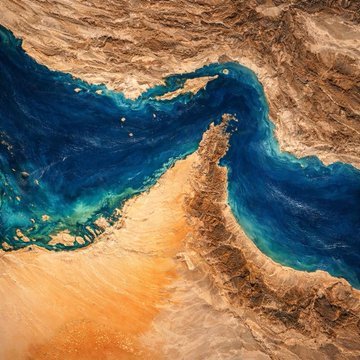
In a move that effectively reclaims the world’s most vital energy chokepoint as sovereign territory, the National Security Commission of the Iranian Parliament officially approved a “Strait of Hormuz Toll Plan” on Tuesday, March 31, 2026. The legislation codifies a new reality where no vessel—commercial or otherwise—can transit the waterway without explicit Iranian coordination and the payment of significant “transit fees.”
The New Rules of the Strait
The bill, which cleared a key parliamentary committee following weeks of informal enforcement, outlines a rigid regulatory framework for all maritime traffic:
- The “Approval” Mandate: Iranian officials, including commission member Mojtaba Zarei, stated that “non-hostile” ships must coordinate directly with Iranian authorities and comply with specific safety and security regulations to pass.
- Transit Fees (The Tehran Tollbooth): The legislation introduces mandatory tolls for all passing vessels. While earlier reports suggested fees as high as $2 million per voyage, the new bill mandates that these payments be made in Iranian Rials or non-dollar currencies like the Chinese Yuan to bypass U.S. sanctions.
- The Blacklist: The bill explicitly prohibits entry to any vessels linked to the United States or Israel, as well as ships from any nation participating in unilateral sanctions against Iran.
- Sovereign Enforcement: Iranian state media emphasized that this is an implementation of Iran’s “sovereign role” in the region, citing Article 19 of UNCLOS (Innocent Passage) as a loose legal justification, though international maritime experts have widely dismissed this as a violation of “transit passage” rights.
Maritime Reality: A 95% Drop in Traffic
While the law is only now being formalised, Tehran’s “invisible hand” has already reshaped the Strait over the past 30 days of war.
- Plummeting Crossings: According to the maritime firm Kpler, vessel traffic through Hormuz has plummeted by 95% since the conflict began on February 28. In peacetime, approximately 135 vessels transited daily; currently, that number has dropped to an average of just six ships per day.
- Approved Routes: Almost all vessels currently crossing the Strait are utilizing routes approved by the IRGC, sailing close to the Iranian coastline rather than the traditional Omani shipping lanes.
- The “Friendly” Exception: Approximately 80% of current traffic consists of Iranian tankers or vessels from nations with “friendly ties” to Tehran that have secured safe-passage deals.
Trump’s Strategic Shift
The timing of the announcement coincides with a reported pivot from the White House. On Tuesday, the Wall Street Journal reported that President Donald Trump has told aides he is willing to end the kinetic war even if the Strait remains closed or under this new Iranian regulatory regime.
- Prioritizing the Deal: Trump’s primary focus has shifted to securing a “signed and verified” nuclear and missile surrender, suggesting the U.S. may leave the “complex” reopening of the Strait for a later diplomatic or multinational phase.
- The Ultimatum: Despite this shift, Trump remains aggressive, warning on Truth Social that if a deal is not reached by his April 6 deadline, he will “obliterate” Iran’s energy grid and the Kharg Island oil hub.
| Feature of the Toll Plan | Status (March 31, 2026) |
| Legal Basis | National Security Commission Bill |
| Fee Currency | Iranian Rial / Chinese Yuan |
| U.S./Israel Status | Strictly Prohibited |
| Current Traffic | ~6 vessels per day (95% reduction) |
| Enforcer | IRGC Navy “Coordination” |
A Legacy of Control
The passage of this bill suggests that even if the “Roaring Lion” offensive concludes, the geopolitical map of the Middle East has fundamentally changed. By institutionalizing a “tollbooth” at the world’s most critical energy gateway, Iran is attempting to ensure that any post-war peace includes a permanent Iranian finger on the pulse of the global economy.
