
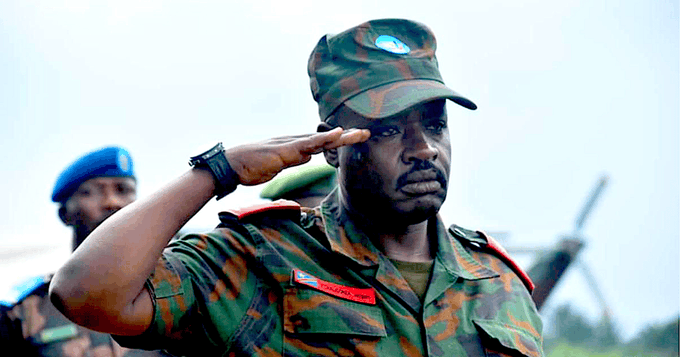
The Armed Forces of the Democratic Republic of the Congo (FARDC) officially commenced a targeted disarmament operation against the Democratic Forces for the Liberation of Rwanda (FDLR) on Monday, March 30, 2026. This move is a critical, high-stakes test of the “Washington Accords for Peace and Prosperity,” a U.S.-brokered deal designed to end decades of cross-border conflict between the DRC and Rwanda.
The FDLR: A Legacy of Genocide
The FDLR is an ethnic Hutu armed group founded by individuals linked to the 1994 Rwandan Genocide. For over 30 years, their presence in eastern Congo has been Rwanda’s primary justification for its military interventions and support for proxy rebel groups like M23.
- The Mandate: Under the Washington Accords, signed in December 2025, the DRC government committed to the “neutralization” of the FDLR.
- The Operation: FARDC units have begun identifying and disarming FDLR combatants in North and South Kivu, urging voluntary surrender while preparing for kinetic action against those who refuse to lay down arms.
- The Goal: By disarming the FDLR, Kinshasa aims to remove Rwanda’s stated casus belli (reason for war), potentially forcing a reciprocal withdrawal of Rwandan Defense Forces (RDF) from Congolese soil.
The Washington Accords: A “Minerals-for-Security” Deal
The disarmament push is the centerpiece of a complex diplomatic initiative mediated by the United States (specifically led by U.S. envoy Massad Boulos and overseen by the Trump administration).
- Mutual Concessions: The DRC agrees to neutralize the FDLR, while Rwanda is mandated to cease all support for M23 rebels and withdraw its estimated 3,000 to 4,000 troops from eastern Congo.
- U.S. Strategic Interests: The deal is heavily linked to the US-DRC Strategic Partnership Agreement. In exchange for peace mediation, the DRC has provided the U.S. with a priority list of state-owned copper, cobalt, lithium, and manganese assets, aiming to secure supply chains for critical minerals currently dominated by China.
- Regional Integration: The accords also include a “Regional Economic Integration Framework” to facilitate legal trade and refining of minerals through Rwanda, theoretically turning a “war economy” into a formal trade network.
Challenges and Risks
Despite the launch of the operation, significant hurdles remain that could jeopardize the entire peace process:
- The “Wazalendo” Problem: The DRC government recently integrated several local militias—known as the Wazalendo—to fight M23. Some of these groups have collaborated with the FDLR, making a clean “disarmament” difficult without alienating local allies.
- M23 Non-Compliance: While M23 declared a unilateral ceasefire in February 2026, the group was not a direct signatory to the Washington Accords and remains in control of significant territory, including areas near the regional hub of Goma.
- Verification Issues: Rwanda has expressed skepticism about the “authenticity” of the disarmament, claiming in a statement that Congolese officials have previously “sabotaged” efforts to neutralize FDLR leadership.
| Key Metric | Status (March 31, 2026) |
| Primary Target | FDLR (Hutu-led militia) |
| Mediators | United States (Massad Boulos / Marco Rubio) |
| Treaty Name | Washington Accords for Peace and Prosperity |
| Economic Link | U.S. access to Copper/Cobalt/Lithium reserves |
| Current Status | Operational phase; Voluntary and forced disarmament |
International Scrutiny
The U.S. Treasury recently imposed symbolic sanctions on several Rwandan officials on March 2, 2026, for “violations of the Washington Accord,” signaling that Washington is prepared to use financial pressure on both sides to ensure the deal remains on track. As the FARDC moves against the FDLR, the eyes of the international community are on Kigali to see if the promised withdrawal of Rwandan troops finally materializes.
