

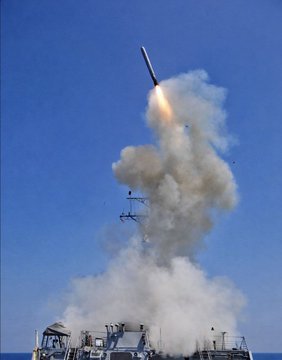
WASHINGTON — A bombshell report from The Washington Post on Friday, March 27, 2026, reveals that the U.S. military is “burning through” its global supply of Tomahawk cruise missiles at a rate that has left Middle East stockpiles “alarmingly low.” After four weeks of Operation Epic Fury, officials warn that without immediate intervention, the Navy is approaching “Winchester”—military slang for being completely out of ammunition.
The depletion is forcing the Pentagon into a strategic corner, sparking urgent debates about shifting assets from the Indo-Pacific and the long-term viability of the current “stand-off” strike doctrine.
The Burn Rate: 850 in 28 Days
The intensity of the air campaign against Iran has far exceeded the defense industry’s ability to keep pace.
- Massive Expenditure: U.S. forces have fired over 850 Tomahawk missiles since the conflict began on February 28. To put that in perspective, the U.S. typically procures only 90 to 300 of these missiles per year.
- 10% Threshold: Analysts estimate that the first 72 hours of the war alone consumed roughly 10% of the entire U.S. ready-to-fire inventory.
- Replenishment Timeline: A single Tomahawk costs up to $3.6 million and takes roughly 24 months to manufacture. Experts at the RUSI think tank warn it could take at least five years to replace the stock already expended this month.
The “Indo-Pacific” Dilemma
The rapid depletion is creating a “readiness vacuum” in other critical theaters, most notably the Western Pacific.
- Diverting from China: To maintain the campaign in Iran, the Pentagon is reportedly weighing the relocation of missile stocks intended to deter a potential conflict over Taiwan.
- The “Pacific Gap”: Mark Cancian of CSIS warned that the current burn rate has already wiped out a quarter of the total inventory, leaving a “large gap” for any high-end contingency in Asia.
- The Pivot to Riskier Strikes: If Tomahawk stocks run dry, the U.S. will be forced to move away from “safe” long-range strikes and instead send manned aircraft (B-2s and F-35s) deeper into Iranian air defenses, significantly increasing the risk to American pilots.
Industrial Surge: “2 to 4 Times” Production
In response to the crisis, Secretary of War Pete Hegseth has reportedly held emergency meetings with defense contractors to bypass traditional bureaucratic hurdles.
| Contractor | Proposed Action | Goal |
| RTX (Raytheon) | Long-term “Emergency Framework” agreement. | Surge annual production to 1,000 units. |
| Lockheed Martin | Accelerating JASSM (Air-launched) production. | Provide alternatives to sea-launched Tomahawks. |
| Supply Chain | Targeting microelectronics bottlenecks. | Shorten the 24-month build cycle for guidance systems. |
Official Stance: “Everything We Need”
Despite the internal alarm described by The Washington Post, the Pentagon’s public messaging remains one of total readiness. Pentagon spokesperson Sean Parnell stated today that the military “retains all necessary resources” to execute missions on any timeline the President chooses.
However, with President Trump’s 10-day pause on infrastructure strikes now in effect, many military planners see this as a necessary “logistical breather” to reload vertical launch systems (VLS) across the fleet before the April 6 deadline.
