
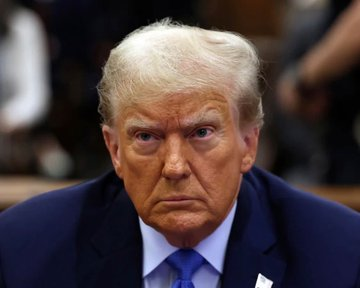
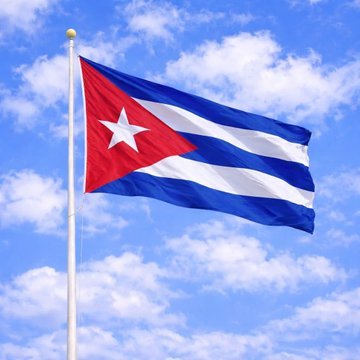
MIAMI, FL — In a characteristic blend of high-stakes signaling and casual rhetoric, President Donald Trump declared that Cuba is “next” on the U.S. military agenda. Speaking at the Future Investment Initiative (FII) summit in Miami on Friday, March 27, 2026, the President touted the recent “successes” of U.S. interventions in Venezuela and Iran before turning his sights toward Havana.
The “Next” Declaration
During his keynote address, the President praised the military’s performance in Operation Epic Fury (Iran) and the January raid in Venezuela that captured Nicolás Maduro.
“I built this great military. I said, ‘You’ll never have to use it,’ but sometimes you have to use it. And Cuba is next, by the way,” Trump told the audience. He then added with a smirk, “But pretend I didn’t say that. Please, media, disregard that statement… Cuba’s next.”
Strategic Context: The Island Under Pressure
The President’s remarks come as Cuba faces its most severe internal crisis in decades, exacerbated by the ongoing U.S. regional strategy:
- The Oil Blockade: Following the U.S. seizure of control over Venezuelan oil in January, the Trump administration has blocked all shipments to Cuba. This has led to a near-total collapse of the Cuban electrical grid and widespread fuel shortages.
- The “Donroe Doctrine”: Analysts have dubbed Trump’s aggressive Western Hemisphere policy the “Donroe Doctrine”—a 21st-century corollary to the Monroe Doctrine asserting the U.S. right to intervene to protect national interests and remove “hostile” regimes.
- Regime Change Goals: Secretary of State Marco Rubio recently briefed G7 counterparts in Paris, stating that the Cuban economy cannot recover without a “change in the system of government.”
Diplomacy vs. Kinetic Action
Despite the “Cuba is next” rhetoric, the situation remains a mix of military threats and backchannel talks:
- “Friendly Takeover”: In February, Trump suggested the U.S. could implement a “friendly takeover” of Cuba, later clarifying it “may not be a friendly takeover” if a deal isn’t reached soon.
- Havana’s Response: Cuban President Miguel Díaz-Canel confirmed on March 13 that Cuban officials have been meeting with American counterparts to explore “potential solutions” and avert a direct military confrontation.
- Military Readiness: While U.S. Southern Command (SOUTHCOM) has stated it is not currently rehearsing for an invasion, the Pentagon remains on high alert at Guantánamo Bay to address potential mass migration or threats to U.S. assets.
Regional Fallout: The “Counter-Cartel” Coalition
The threat to Cuba was issued during the same summit where the President formally launched a 17-nation “Counter-Cartel” coalition.
- Hard Power: The coalition pledges to use military force against security threats and drug cartels across Latin America.
- Warnings to Allies: Trump issued a specific warning to Colombian President Gustavo Petro, telling him to “watch his ass” following Petro’s public opposition to U.S. strikes in the region.
| Target Country | U.S. Status (as of March 28, 2026) |
| Venezuela | Maduro captured; U.S. managing oil assets. |
| Iran | Active war; 10-day “energy strike” pause in effect. |
| Cuba | Fuel blockade; “Friendly takeover” negotiations ongoing. |
| Mexico | Targeted drone strikes on cartel laboratories initiated. |
Ongoing Coverage: The White House has not clarified if “next” implies an immediate military operation or a continuation of the “maximum pressure” economic blockade.
