
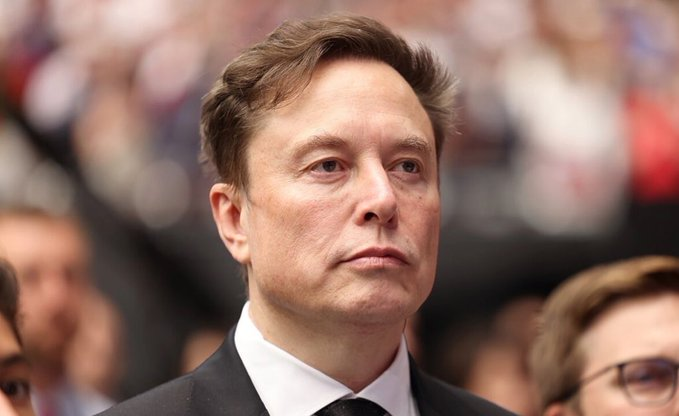
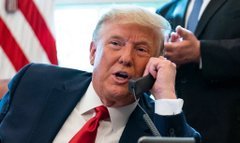
WASHINGTON / NEW DELHI — In a highly unusual breach of diplomatic protocol, billionaire Elon Musk participated in a private phone call between President Donald Trump and Prime Minister Narendra Modi on Tuesday, March 24, 2026. The New York Times report, confirmed by U.S. officials, highlights the growing influence of the tech mogul within the Trump administration’s wartime foreign policy.
The Call: Securing the Strait of Hormuz
While the White House described the conversation as “productive,” the primary focus was the escalating conflict in the Middle East and its catastrophic impact on global trade.
- Strategic Priorities: Both leaders emphasized the critical necessity of keeping the Strait of Hormuz “open, secure, and accessible.”
- India’s Vulnerability: Prime Minister Modi underscored that the waterway is vital for India’s energy security and global economic stability. India has been among the hardest-hit nations in Asia due to the maritime blockade.
- De-escalation: Modi reiterated India’s support for an early restoration of peace through “dialogue and diplomacy,” even as the U.S. and Israel continue strikes on Iranian industrial and nuclear sites.
The Musk Factor: Why was he there?
Musk’s presence on a call between two heads of state during a military crisis has sparked intense debate among national security experts. While he currently holds no formal government position, several theories explain his involvement:
1. Starlink and Information Warfare
Earlier this year, the Trump administration reportedly collaborated with Musk to smuggle thousands of Starlink terminals into Iran to bypass government internet blackouts. Musk’s satellite technology has become a central pillar of the U.S. strategy to support Iranian protesters and maintain communications on the ground.
2. Commercial and Energy Interests
- India Expansion: Musk has long sought to expand Tesla and SpaceX operations in India. His presence on the call may reflect discussions on logistical resilience or future tech partnerships.
- Sovereign Wealth Ties: Musk’s companies have significant investments from Middle Eastern sovereign wealth funds, which are directly impacted by the regional instability.
3. Restored Ties with Trump
The report suggests Musk is back on “better terms” with President Trump following a public fallout last year. His participation signals that the President views Musk as a key—albeit unofficial—advisor on high-stakes geopolitical matters.
Reactions and Official Silence
Despite the bombshell report, official channels have remained tight-lipped:
- The White House: Press Secretary Karoline Leavitt confirmed the call was “productive” but declined to comment on Musk’s specific role.
- New Delhi: The Indian readout of the call made no mention of Musk, focusing entirely on the “useful exchange of views” regarding the West Asia situation.
- Ambassador Sergio Gor: The U.S. Ambassador to India, who first disclosed the call, noted that Trump was keeping Modi “in the loop” regarding regional tensions.
| Key Participant | Role in Crisis |
| Donald Trump | U.S. President; Leading Operation Epic Fury |
| Narendra Modi | Prime Minister of India; Advocating for maritime stability |
| Elon Musk | CEO of SpaceX/Tesla; Unofficial advisor & Starlink provider |
| Marco Rubio | U.S. Secretary of State; Managing 15-point ceasefire plan |
Ongoing Coverage: The news of Musk’s involvement comes just as the 10-day diplomatic window for Iranian energy sites begins its final countdown.
Would you like me to look for more details on the reported Starlink terminal smuggling operation in Iran, or provide updates on India’s efforts to secure alternative energy routes?
