
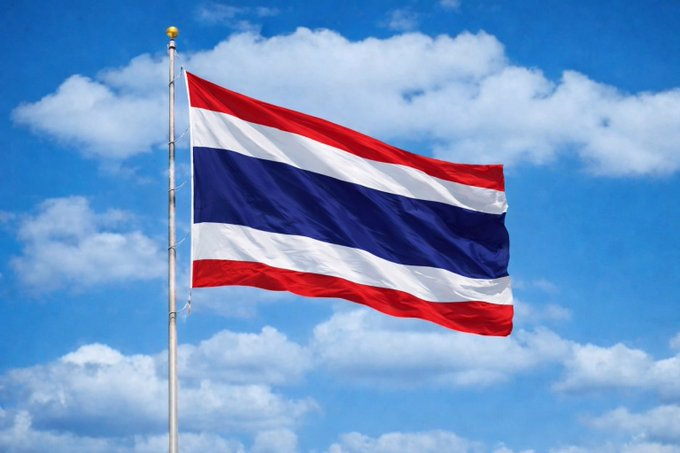
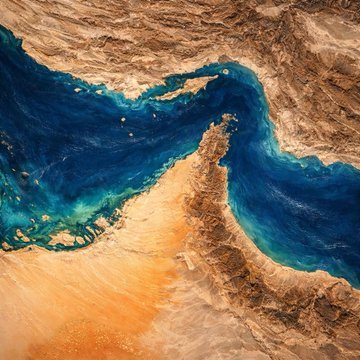
BANGKOK / TEHRAN — In a major win for Southeast Asian energy security, Thailand has reached a formal agreement with Iran to allow Thai-flagged oil vessels safe passage through the Strait of Hormuz. The announcement, made by Thai Prime Minister Anutin Charnvirakul on Saturday, March 28, 2026, follows weeks of quiet diplomacy and a harrowing incident involving a Thai cargo ship earlier this month.
The “Friends Won’t Be Forgotten” Agreement
The deal was finalized after high-level coordination between the Thai Ministry of Foreign Affairs, the Iranian Embassy in Bangkok, and the Sultanate of Oman.
- The Condition: To benefit from the “permission-based transit,” Thailand provided the names of specific vessels to Iranian authorities. Iran has categorized Thailand as a “non-hostile” party, ensuring its tankers are not targeted by the IRGC during the current conflict.
- No Tolls Reported: While reports have surfaced that Iran is mulling a $2 million “transit fee” for some vessels, Thai officials and ship owners confirmed that no payment was required for this specific arrangement.
- The “Friends” Memo: The Iranian Embassy in Bangkok issued a statement on X (formerly Twitter) reinforcing the 400-year history between the two nations, noting: “We value our friendship and will not forget our friends.”
Successful Transits and Ongoing Missions
The agreement has already seen tangible results on the water:
- The Bangchak Tanker: A crude oil tanker owned by Bangchak Corporation, which had been anchored in the Gulf since March 11, successfully transited the Strait on Wednesday. It is currently crossing the Indian Ocean and is expected to deliver its cargo to Thailand in early April.
- SCG Chemicals: A second vessel, operated by SCG Chemicals, has also been granted clearance and is expected to follow the same route.
- The Mayuree Naree Rescue: The deal comes amid a somber backdrop. On March 11, the Thai-flagged bulker Mayuree Naree was struck by a projectile in the Strait, leading to a fire and the disappearance of three crew members. Thai Foreign Minister Sihasak Phuangketkeow confirmed today that a joint Iran-Oman rescue team has reached the vessel, though the fate of the three missing sailors remains unconfirmed.
A Global Trend: Bypassing the Blockade
Thailand joins a growing list of “non-hostile” nations that have successfully negotiated independent transit rights with Tehran, even as the U.S.-led coalition attempts to open the waterway by force.
| Country | Status of Transit Agreement |
| Thailand | Active; Two tankers cleared; no fees reported. |
| Malaysia | Active; PM Anwar Ibrahim confirmed safe passage for Malaysian ships on Friday. |
| China & Russia | Exempt; Ships from these nations have had continuous safe passage. |
| India & Pakistan | Active; Both nations maintain coordinated transit for energy imports. |
| US & Israel | Banned; Any associated vessels are considered legitimate military targets. |
Impact on Energy Markets
The reopening of the Strait to Thai vessels is expected to alleviate some domestic pressure in Bangkok, where fuel costs have soared and gas station queues have lengthened since Operation Epic Fury began on February 28. However, with only a “trickle” of ships passing through the waterway compared to pre-war levels, global oil prices remain volatile, trading near $107 per barrel.
