
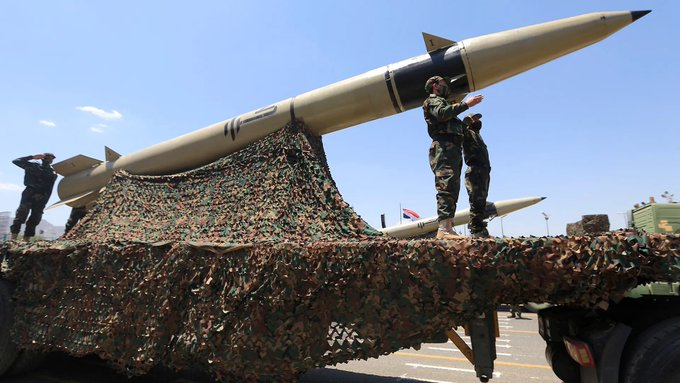
It’s official. On Saturday morning, March 28, 2026, the Israel Defense Forces (IDF) confirmed they intercepted a ballistic missile launched from Yemen—the first such attack from the Houthis since the U.S.-Israeli war with Iran began exactly one month ago.
This isn’t just a random strike; it’s a major tactical shift that effectively opens a southern front in an already overstretched conflict.
The Interception in the Negev
The missile triggered sirens across Beersheba and the Negev desert, sent residents to shelters near Israel’s primary nuclear research center, and was eventually neutralized.
- The Shield: The IDF utilized the Arrow 3 system for an exo-atmospheric interception (hitting the missile while it was still in space).
- The Damage: No injuries or direct impacts were reported, though shrapnel was found in uninhabited desert areas.
- The Milestone: This is the first time Yemen has targeted the Israeli mainland since “Operation Epic Fury” launched on February 28.
Why Now? The Houthi Ultimatum
Just hours before the launch, Houthi military spokesperson Brigadier General Yahya Saree issued a televised warning that their “fingers are on the trigger.” The group cited specific “red lines” for their intervention:
- Direct Hits on Iran: Retaliation for Friday’s heavy strikes on Tehran’s universities and Iranian nuclear facilities in Yazd and Arak.
- Regional Alliances: A warning to any neighboring countries (like Saudi Arabia or the UAE) that allow their territory or the Red Sea to be used for operations against the “Axis of Resistance.”
Strategic Implications: The “Dual Blockade”
The biggest worry for global markets isn’t just the missiles—it’s the geography.
- Maritime Chokepoints: With Iran already choking the Strait of Hormuz, a Houthi entry into the war threatens the Bab al-Mandab Strait. If they successfully target shipping there, the Suez Canal route effectively shuts down, severing the primary energy link between Europe and Asia.
- Air Defense Strain: Israel is now simultaneously managing high-velocity threats from Iran (East), Hezbollah (North), and Yemen (South).
| Target Location | Threat Level | Primary Defense |
| Northern Israel | High (Hezbollah rockets/drones) | Iron Dome / David’s Sling |
| Central Israel | High (Iranian Ballistic Missiles) | Arrow 2 & 3 / THAAD |
| Southern Israel | Increasing (Houthi Missiles/UAVs) | Arrow 3 |
The Diplomatic “Last Stand”
This escalation comes at the worst possible time for negotiators. Pakistan is set to host a high-level meeting on Monday with Turkey, Saudi Arabia, and Egypt to push a 15-point U.S. ceasefire plan. The Houthi launch suggests that the “Axis of Resistance” is moving toward a more coordinated, multi-front strategy to force a ceasefire before the April 6 energy strike deadline.
