
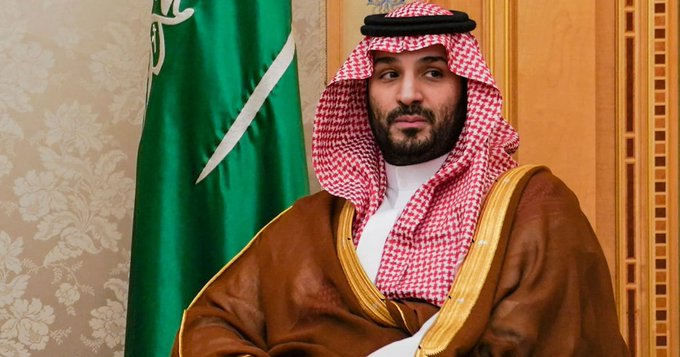
RIYADH / WASHINGTON — While Saudi Arabia has maintained a posture of “cautious neutrality” in its public statements, explosive reports from The New York Times and The Guardian on March 28, 2026, confirm that Crown Prince Mohammed bin Salman (MBS) is playing a decisive, behind-the-scenes role in sustaining the U.S.-Israeli campaign against Tehran.
President Donald Trump himself appeared to break the diplomatic seal on Tuesday, bluntly telling reporters: “Yeah, he’s a warrior. He’s fighting with us, by the way.”
The Private Push: “Finish the Job”
Intelligence sources and White House officials indicate that MBS has been in constant contact with President Trump, urging him not to accept a “premature” ceasefire.
- A “Historic Opportunity”: MBS reportedly views Operation Epic Fury as a once-in-a-generation chance to fundamentally dismantle the “existential threat” posed by the Islamic Republic.
- Regime Change vs. Containment: Unlike previous escalations, the Crown Prince is reportedly advocating for a campaign that ends only with the toppling of the current Iranian government, rather than mere tactical strikes.
- Boots on the Ground: In a surprising strategic shift, reports suggest MBS has even encouraged the U.S. to consider ground operations, specifically the seizure of Kharg Island, Iran’s primary oil export hub, to permanently cripple Tehran’s economy.
The Public Balancing Act
The Crown Prince’s private hawkishness stands in stark contrast to Riyadh’s official diplomatic messaging:
| Domain | Private Stance (MBS) | Public Stance (Ministry of Foreign Affairs) |
| Military Action | Urging “intensified” and “sustained” strikes. | Calling for “de-escalation” and “peaceful resolution.” |
| Energy Impact | Told Trump oil spikes are “temporary.” | Expressing concern over global market volatility. |
| Ground Troops | Advocated for seizing Kharg Island. | No official support for regional ground wars. |
The “Snake’s Head” Doctrine
Analysts note that MBS is following a long-standing Saudi strategic thread. He reportedly cited the advice of his late uncle, King Abdullah, who famously urged the U.S. in 2008 to “cut off the head of the snake” regarding Iran.
- The Failed Detente: The 2023 China-brokered deal to restore ties with Iran is now viewed in Riyadh as a failed “bet” that Iran wouldn’t lash out.
- The “Wounded Lion” Fear: A senior Saudi source noted that leaving Iran “partially degraded” would be more dangerous than doing nothing. The current policy has shifted to: “Don’t start the war, but if you start it, finish the job.”
A War at the Doorstep: Prince Sultan Air Base
The risk of this behind-the-scenes support became a physical reality on Friday, March 27, when an Iranian missile and drone strike hit Prince Sultan Air Base (PSAB) in Saudi Arabia.
- U.S. Casualties: At least 10 U.S. service members were wounded (two seriously).
- Hardware Damage: A rare E-3 Sentry AWACS and several refueling tankers were damaged on the tarmac.
- The Message: The strike served as Tehran’s “bloody warning” to Riyadh that hosting the coalition’s “Airborne Command Posts” carries a heavy price.
The “Vision 2030” Dilemma
MBS is reportedly balancing his desire to end the Iranian threat against the potential ruin of his Vision 2030 projects. A prolonged war could:
- Scare away foreign investment needed for NEOM and other mega-projects.
- Expose Saudi infrastructure to “suicide” attacks from Iran-backed militias.
- Trigger a regional oil shock that complicates Saudi Arabia’s own fiscal transition.
