
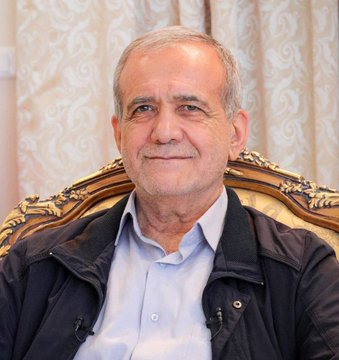
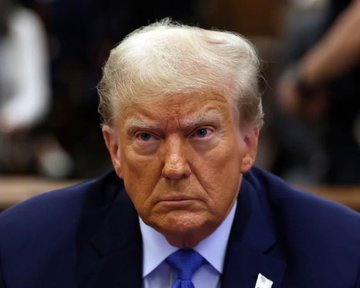
TEHRAN / ISLAMABAD — Iranian President Masoud Pezeshkian delivered a blunt assessment of the prospects for peace on Saturday, March 28, 2026, stating that continued U.S.-Israeli military operations have made it impossible for Tehran to “trust” the United States in any diplomatic capacity.
The President’s remarks, made during a high-stakes one-hour telephone call with Pakistan’s Prime Minister Shehbaz Sharif, come as a 15-point U.S. ceasefire proposal hangs in the balance ahead of Monday’s regional summit in Islamabad.
The Argument for “Broken Trust”
President Pezeshkian highlighted what he described as a “lethal contradiction” between Washington’s diplomatic overtures and its military actions on the ground:
- Assassinations During Talks: Pezeshkian noted that the war itself began with the February 28 assassination of Supreme Leader Ali Khamenei while nuclear negotiations were actively being pursued. He argued that the targeting of top leadership proves the “aggressors” seek total surrender, not a negotiated settlement.
- Infrastructure Violations: Despite reported U.S. assurances that economic and energy sites would be spared during the current “pause” (extended by President Trump until April 6), Pezeshkian cited recent strikes on infrastructure in Ahvaz and Isfahan as evidence of a “total lack of sincerity.”
- The “Negotiation Trap”: The Iranian President warned that entering formal talks now would be a strategic error while U.S.-Israeli aircraft continue to strike what he termed “civilian and technical hubs,” including Tehran’s universities earlier this morning.
A Divided Region
During the call, Pezeshkian also issued a stern warning to neighboring Muslim countries, reflecting the growing tension within the Islamic world:
- “Muslim Brotherhood” vs. Tactical Basing: He expressed deep “regret” over the use of territories in some Muslim countries for operations against Iran. He stressed that while Iran views these nations as “brothers,” it retains a “natural right” to strike at the origin of any attack.
- Solidarity from Islamabad: PM Shehbaz Sharif reaffirmed Pakistan’s stance against the military strikes, particularly condemning the hits on Iranian economic infrastructure. Pakistan remains the primary intermediary, with Army Commander Asim Munir reportedly serving as the “key interlocutor” between Trump and Tehran.
Status of the 15-Point Plan
The 15-point plan, delivered to Tehran via Islamabad on March 24, reportedly includes:
- Sanctions relief and civilian nuclear cooperation.
- Curbs on Iran’s missile program and regional support.
- Guarantees for the freedom of navigation through the Strait of Hormuz.
The Obstacle: Iran has countered with its own five-point plan, demanding reparations and full sovereignty over the Strait. With Pezeshkian’s latest “trust” declaration, the gap between the two positions appears to be widening just as the April 6 deadline for strikes on Iran’s oil sector looms.
| Date | Event | Outcome |
| March 24 | U.S. 15-point plan delivered. | Initial Iranian dismissal. |
| March 25 | Iran issues counter-proposal. | Focus on reparations/sovereignty. |
| March 28 | Pezeshkian-Shehbaz Call. | Iran cites “broken trust” due to strikes. |
| March 30 | Islamabad Quad-Summit. | Turkey, Saudi, Egypt, and Pakistan to meet. |
Developing: Diplomatic sources in Ankara suggest that Turkey’s Foreign Minister is attempting to arrange a “pre-summit” call tonight to salvage the Monday meeting in light of Pezeshkian’s hardened rhetoric.
