
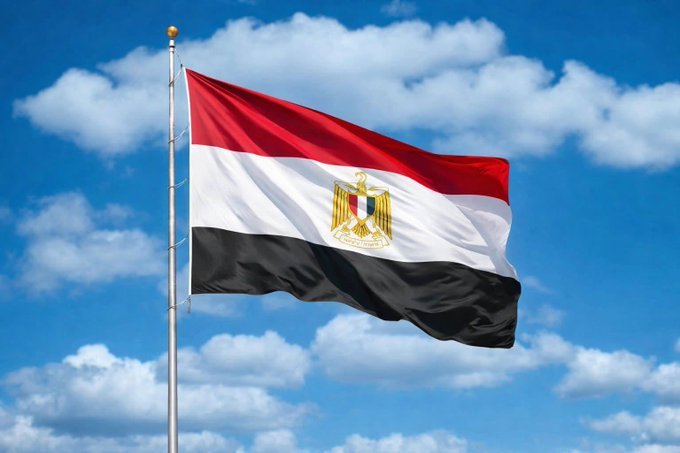
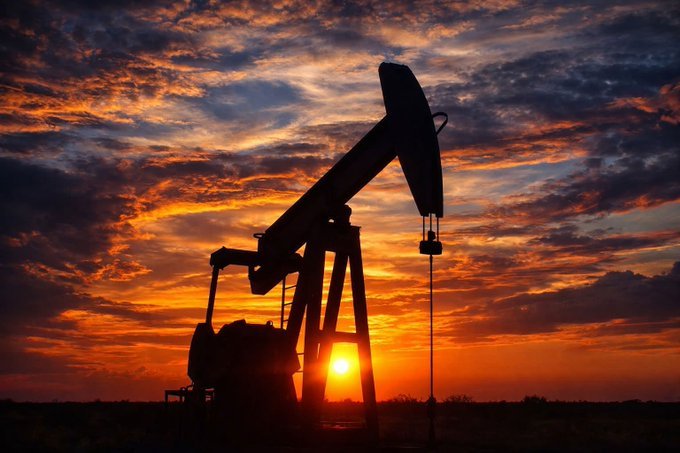
CAIRO — Facing a staggering tripling of its energy import bill, the Egyptian government announced on Saturday, March 28, 2026, that it will slow or halt “all non-urgent major state projects” for an initial period of two months. Prime Minister Mostafa Madbouly characterized the decision as an essential move to preserve foreign currency reserves as the U.S.-Israel-Iran war continues to throttle global oil supplies and disrupt the critical flow of Israeli natural gas to Egyptian plants.
The announcement was accompanied by a nationwide “energy curfew” aimed at slashing domestic consumption during the holy month of Ramadan.
The $1.1 Billion Gas Gap
Egypt’s economic pivot is driven by a massive deficit in natural gas, exacerbated by the shutdown of Israeli offshore fields like Leviathan in the early days of the conflict.
- Import Bill Surge: Prime Minister Madbouly revealed that the monthly cost of gas imports has skyrocketed from $560 million before the war to approximately $1.65 billion—a nearly 200% increase for the same volume of fuel.
- Loss of Israeli Supply: Egypt typically relies on 1.1 billion cubic feet per day of Israeli gas for electricity and industry. With those taps effectively dry, Cairo has been forced to buy expensive spot-market LNG, which is currently at record highs due to the Strait of Hormuz blockade.
- Project Suspension: The government has ordered a two-month “slowdown” on high-cap projects, likely affecting infrastructure in the New Administrative Capital and secondary rail expansions, to redirect funds toward the “emergency fuel fund.”
“Dimming the Skyline”: The New Business Curfew
Starting today, Saturday, March 28, Egypt is implementing “exceptional” measures to curb electricity use.
- 9:00 PM Closure: All shops, malls, restaurants, and cafes must close by 9:00 PM on weekdays (extending slightly on Thursdays and Fridays).
- Billboards & Lighting: Street lighting will be reduced to the “lowest safe levels,” and all illuminated roadside advertisements have been ordered switched off.
- Remote Work: The government is considering a mandatory two-day-per-week remote work policy for public sector employees to reduce the cooling and lighting loads in administrative buildings.
Fuel Prices: The 30% Shock
The project delays follow a series of aggressive fuel price hikes earlier this month that have already strained the Egyptian middle class.
| Fuel Type | New Price (March 2026) | % Increase |
| 95-Octane Gasoline | 24.00 EGP | ~14% |
| Diesel | 20.50 EGP | ~17% |
| Vehicle Natural Gas | 13.00 EGP | 30% |
| Cooking Gas (12.5kg) | 275 EGP | ~22% |
President Abdel-Fattah el-Sissi addressed the nation, calling the hikes “inevitable” to prevent a total collapse of the state’s fiscal buffer, even as inflation on food items like meat and vegetables has surged between 15% and 30% since the war began on February 28.
What’s Next?
The “Two-Month Pause” is a calculated gamble that the April 6 deadline in Islamabad will result in a de-escalation. If the war enters a ground phase or “Phase 3” infrastructure strikes, analysts at Al Majalla warn that Egypt could face a “broader political and economic crisis” as foreign portfolio capital (hot money) continues to exit the country, having already seen an estimated $5–8 billion outflow in the last 28 days.
