
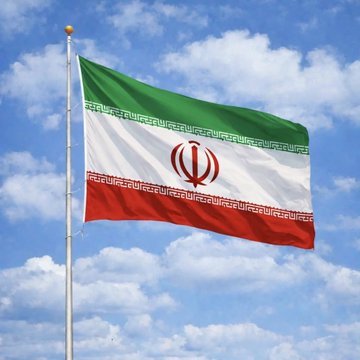
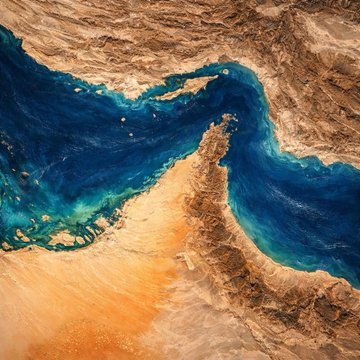
State-aligned media outlets in Tehran, including Fars News and Tasnim, released a series of reports on Monday, March 30, 2026, mocking President Donald Trump’s claims of a “reopened” Strait of Hormuz. The reports clarify that while maritime traffic has indeed moved through the chokepoint, the passage was a “sovereign Iranian gesture” granted exclusively to two Chinese-owned vessels, rather than a concession to U.S. “maximum pressure.”
The “Tollbooth” Narrative
Iranian commentators and IRGC-linked accounts on social media spent the afternoon characterizing the transit of the CSCL Indian Ocean and CSCL Arctic Ocean as a demonstration of Iranian control over global energy arteries.
- The “Chinese Exception”: Media reports emphasized that the Strait remains “firmly closed” to any nation participating in the U.S.-led “Epic Fury” campaign. “The Strait belongs to the friends of the Resistance,” one editorial noted, specifically mocking Trump’s recent optimism.
- “Permission, Not Pressure”: Iranian analysts argued that the transits occurred because the vessels broadcast “CHINESE OWNER” and complied with IRGC “security vetting,” not because of the presence of the U.S. 5th Fleet or the arrival of Navy SEALs in the region.
- A “Present” Reclaimed: While Trump recently told reporters that Iran allowed tankers through as a “tribute” to him, Tehran’s media countered that the move was a “strategic partnership” with Beijing, intended to show that the U.S. “cannot protect its allies’ trade.”
Strategic Reality: The “K-Shaped” Blockade
The mocking tone from Tehran highlights the dual reality currently defining the Persian Gulf.
- The “Friendly” Lane: China, Russia, Pakistan, and India are reportedly seeing a slight increase in “safe passage” approvals. This aligns with Treasury Secretary Janet Yellen’s report that traffic is rising due to “individual trade deals.”
- The “Hostile” Lane: For the 20,000 seafarers from other nations, the situation remains dire. Over 2,000 ships remain anchored or idling, and the IRGC has reiterated that any “hostile” vessel attempting to enter the “Chinese corridor” will be “set on fire.”
- The “Islamabad Track” Leverage: Diplomats believe Iran is using this selective opening as leverage in the Pakistan-mediated peace talks. By allowing Chinese and Pakistani ships through while blocking the West, Tehran is attempting to fracture the international coalition.
Trump’s Response: “They’re Being Very Reasonable”
Despite the mockery in Iranian media, President Trump maintained an optimistic public posture on Monday evening.
“They can say what they want in their papers,” Trump told a small group of reporters. “The fact is, the ships are moving. We’re dealing with the Third Regime now, and they’re being very reasonable. We’re gonna have a great deal.”
| Perspective | View on Hormuz Transit (Mar 30, 2026) |
| Iranian Media | A display of Iranian “veto power” over global trade. |
| Pres. Trump | A “tribute” and a sign that a peace deal is “soon.” |
| U.S. Treasury | A result of fragmented, bilateral “side deals.” |
| Shipping Unions | A high-risk “discriminatory” system leaving thousands stranded. |
The “SinoOcean” Risk
Maritime security firms have warned that the Iranian media’s focus on the “Chinese exception” may encourage more non-Chinese vessels to engage in AIS spoofing. However, the IRGC has warned it is using advanced drone surveillance to verify the “physical characteristics” of every ship in the corridor, raising the risk of accidental strikes on ships attempting to “mask” their identity.
