
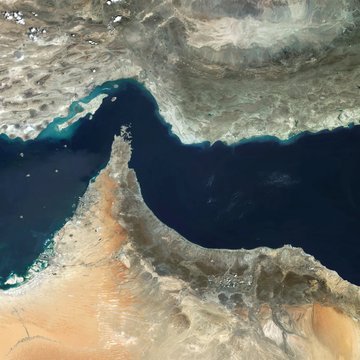
As the regional air war intensifies following massive U.S. “bunker buster” strikes on Isfahan, a new economic front is opening. Chinese manufacturers and suppliers have issued a stark warning to U.S. consumers on Tuesday, March 31, 2026: expect a significant increase in the cost of everyday goods. The effective closure of the Strait of Hormuz has triggered a surge in production and logistics costs that Chinese firms say they can no longer absorb.
The “Petrochemical Ripple”: From Pickleballs to Polyester
The crisis in the Persian Gulf is hitting Chinese industry particularly hard due to its heavy reliance on Middle Eastern oil and plastic feedstocks.
- Price Hikes on Plastic Goods: Devi Wei, founder of the export business Huijin Trade, confirmed that he has already been forced to raise prices for pickleball paddles and balls by 20%. These products rely on polypropylene, a plastic derivative of oil largely sourced from the Middle East. Wei warned that prices could “double” if the conflict persists.
- Textile & Toy Impacts: Jinming Gifts, a major toy manufacturer, reported that while they have hoarded two months of PVC, rising material costs will soon force price hikes for figurines. Similarly, scarf exporters have marked up polyester products by 5%, explicitly stating they will “pass on the extra cost” to American customers.
- Fertilizer & Food: The Atlantic Council warns that a 30% global reduction in ammonia-based nitrogen fertilizer—due to the Hormuz blockade—will soon translate into higher food prices for Americans as farmers pass on surging input costs.
Logistics Crisis: Rerouting and Risk Premiums
Beyond raw materials, the cost of getting goods from China to the U.S. is skyrocketing as shipping lanes are rewritten.
- Emergency Freight Increases: Major carriers like Maersk have implemented “Emergency Freight Increases” as of March 2026. Containers from China to the Middle East and surrounding regions now face surcharges of up to $3,800 per unit to cover increased operating costs and security risks.
- The Cape of Good Hope Detour: With the Red Sea also under threat from Houthi rebels, ships are rerouting around Africa. This adds weeks to transit times and adds approximately $500,000 to $800,000 in fuel and operational costs per vessel.
- Insurance Spikes: War-risk insurance premiums for ships in the region have increased from 0.25% to as high as 10% for high-risk vessels, a cost that exporters are already factoring into final retail pricing.
Strategic Leverage: Beijing’s Position
While the crisis hurts Chinese exporters, some analysts suggest it provides Beijing with long-term geopolitical leverage.
- Selective Restrictions: There is growing concern that if the Strait remains closed, China may impose export restrictions on certain petrochemical products—similar to its current controls on critical minerals—to protect its domestic market.
- Leveraging the Yuan: Iran’s newly implemented “Strait of Hormuz Toll System” requires vessels to pay fees in non-dollar currencies like the Chinese Yuan, potentially allowing Beijing to establish exclusive shipping corridors while Western firms are locked out.
| Product Category | Estimated Price Increase (Mar 2026) | Primary Driver |
| Plastics & Sporting Goods | 20% – 50% | Polypropylene / Oil costs |
| Textiles (Polyester) | 5% – 10% | Petrochemical input costs |
| Electronics & Toys | 10% – 15% | PVC and component logistics |
| Food & Produce | TBD (High Risk) | Fertilizer (Ammonia) shortage |
Market Outlook
With Brent crude oil peaking at $126 per barrel and U.S. gas prices averaging nearly $4 per gallon, the “second wave” of inflation is now hitting the manufacturing sector. As the April 6 deadline for a regional peace deal approaches, the global economy is facing what the UN Secretary-General has described as a “systemic stress” across almost every commodity sector simultaneously.
