
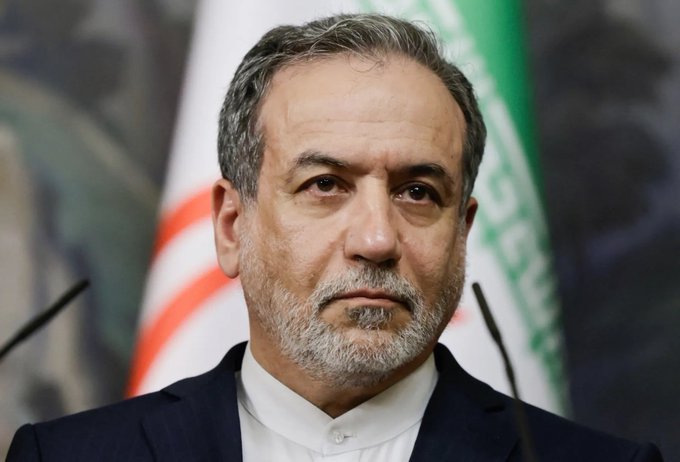
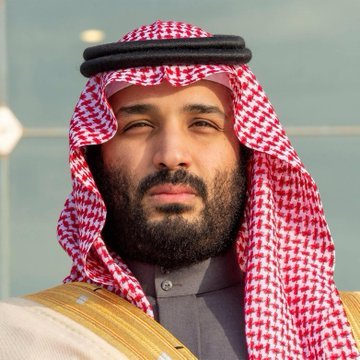
Iranian Foreign Minister Abbas Araghchi issued a high-stakes appeal to Riyadh on Tuesday, March 31, 2026, calling on Saudi Arabia to evict United States military forces from its territory. In a statement published on X (formerly Twitter), Araghchi struck a dual tone of diplomatic brotherhood and military threat, following a significant Iranian missile strike on a joint U.S.-Saudi airbase.
“Brotherly Nation” vs. “Enemy Aggressors”
Araghchi’s comments sought to decouple the Saudi monarchy from its security partnership with Washington, framing the U.S. presence as a source of regional instability rather than protection.
- The “Brotherly” Label: “Iran respects the Kingdom of Saudi Arabia and considers it a brotherly nation,” Araghchi wrote. He emphasized that Iran’s military operations are not directed at its neighbors but at “enemy aggressors” who he claimed have no respect for Arab or Iranian sovereignty.
- The Prince Sultan Air Base Strike: The message included a photo purportedly showing the charred remains of a U.S. E-3 Sentry (AWACS) aircraft. Araghchi pointed to the “destruction of their aerial command” as proof that the U.S. cannot provide a security guarantee for the Gulf.
- The Ultimatum: “High time to eject U.S. forces,” the Foreign Minister concluded, suggesting that regional safety can only be achieved through an internal “Islamic” security architecture without Western intervention.
Military Reality: The Attack on Riyadh’s Doorstep
The diplomatic overture follows a weekend of heavy fire that brought the war to the heart of the Saudi kingdom.
- AWACS Destroyed: U.S. officials confirmed that an Iranian missile strike on Prince Sultan Air Base (128 km southeast of Riyadh) on Friday seriously damaged at least one high-value command-and-control aircraft and wounded 12 U.S. service members.
- Gulf Interceptions: Despite Araghchi’s “brotherly” rhetoric, Saudi and UAE air defenses have been working overtime. Over the last 48 hours, regional batteries intercepted dozens of Iranian drones and missiles, though the strike on a Kuwaiti desalination plant on Monday—which killed an Indian worker—has significantly soured the mood in Gulf capitals.
- Encouraging the War: Contrary to Araghchi’s hopes, reports from the Washington Post suggest that Gulf Arab anger is actually increasing. Private intelligence indicates that some regional leaders are now encouraging the U.S. to “continue to prosecute the war” until Iran’s missile and drone capabilities are permanently dismantled.
The “Islamabad Track” Perspective
Araghchi’s statement comes as he remains in “constant contact” with his Saudi counterpart, Prince Faisal bin Farhan, through the mediation of Pakistan.
- The Saudi Dilemma: Riyadh is caught in a strategic vice. Publicly, it calls for an immediate ceasefire and refuses to allow its territory to be used for offensive strikes against Iran. Privately, however, it remains the primary host for the U.S. “aerial command” systems that Araghchi is now successfully targeting.
- U.S. Reinforcements: The arrival of thousands of 82nd Airborne paratroopers in the region this week further complicates Araghchi’s demand, signaling that Washington is doubling down on its regional footprint rather than preparing for an exit.
| Metric / Event | Status (March 31, 2026) |
| Araghchi’s Status | Actively lobbying Gulf states to break with the U.S. |
| U.S. Casualties (Friday) | 12 wounded at Prince Sultan Air Base. |
| Primary Target Hit | E-3 Sentry (AWACS) “Aerial Command” jet. |
| Saudi Public Stance | Committed to neutrality / “Brotherly” dialogue. |
| Saudi Private Stance | Urging U.S. to maintain “Maximum Pressure.” |
Export to Sheets
A Diplomatic “Exercise in Deflection”
Analysts characterize Araghchi’s “brotherly” rhetoric as a tactical attempt to isolate the United States as the sole “aggressor.” By praising Saudi Arabia while simultaneously bombing its infrastructure and killing foreign workers in neighboring Kuwait, Tehran is attempting to force a choice: either the Gulf states expel the U.S. military, or they remain “legitimate” targets for Iran’s continuing “infrastructure war.”
