
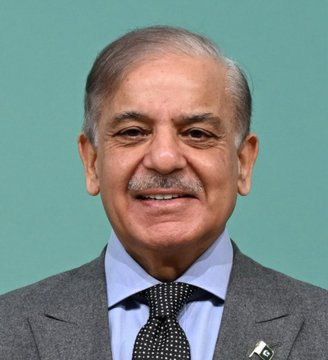
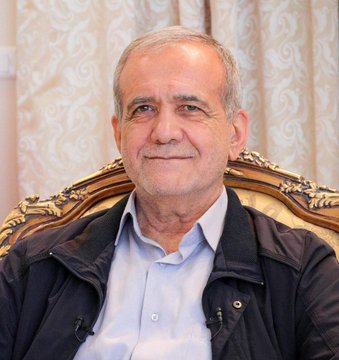
ISLAMABAD / TEHRAN — In a high-stakes attempt to pull the region back from the brink, Pakistan’s Prime Minister Shehbaz Sharif held a one-hour emergency telephone call with Iranian President Masoud Pezeshkian on Saturday, March 28, 2026.
The conversation, described by the Prime Minister’s Office (PMO) as “candid and comprehensive,” occurred just hours after a fresh wave of US-Israeli strikes hit Tehran’s universities and the Houthis launched their first ballistic missile at Israel.
The Core Agenda: Saving the 15-Point Plan
The primary focus of the call was to salvage the 15-point U.S. ceasefire proposal, which Iranian state media had reportedly “rejected” earlier this week.
- The Pakistani Push: PM Shehbaz reportedly urged President Pezeshkian to reconsider the “diplomatic off-ramp,” emphasizing that the window for a negotiated settlement is closing fast as the April 6 energy strike deadline approaches.
- Iranian Conditions: While expressing gratitude for Pakistan’s mediation, Pezeshkian reiterated that any deal must include “clear guarantees” against further assassinations and a total cessation of hostilities in Lebanon.
- Regional Solidarity: The PM expressed Pakistan’s “unwavering solidarity” with the Iranian people while stressing that “unity in the ranks of the Ummah” is the only path to preventing a wider continental war.
The Islamabad Summit (Monday, March 30)
Today’s call served as a final briefing before Monday’s high-level quadrilateral meeting in Islamabad.
- The Participants: Foreign Ministers from Turkey, Saudi Arabia, and Egypt are expected to arrive in the capital tomorrow.
- The Goal: To forge a unified regional “Middle Power” consensus that can be presented to both Washington and Tehran. Pakistan aims to position itself as the neutral hub for face-to-face talks, which could happen as early as next week if today’s call yields a breakthrough.
Strategic Context: A Balancing Act
The call highlights Pakistan’s unique and increasingly central role in the 2026 conflict:
- The Border Factor: With a direct land border with Iran, Pakistan is the country most at risk of a refugee crisis or spillover violence if the Iranian state destabilizes further.
- The “Trusted Messenger”: Pakistan remains one of the few nations maintaining active, high-level backchannels with both the Trump administration and the IRGC-aligned leadership in Tehran.
- Internal Pressure: The PM’s diplomatic marathon comes amid growing domestic concerns in Pakistan over fuel quotas and regional inflation triggered by the maritime blockade in the Strait of Hormuz.
| Key Diplomatic Moves | Date | Status |
| 15-Point Plan Delivered | March 25 | In Iranian hands; under review. |
| Shehbaz-Pezeshkian Call | March 28 | Completed; 60 minutes. |
| Islamabad Quad-Summit | March 30 | Confirmed; Turkey/Saudi/Egypt attending. |
| Energy Strike Deadline | April 6 | Looming (Trump’s “Unleash Hell” warning). |
Developing: Sources in Islamabad suggest that following the call, PM Shehbaz has also reached out to Saudi Crown Prince Mohammed bin Salman to brief him on the Iranian President’s tone and requirements.
