
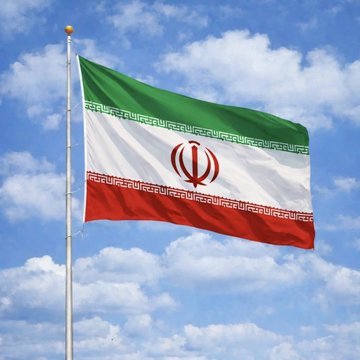

TEHRAN — The Iranian Intelligence Ministry (VAJA) confirmed on Sunday, March 29, 2026, that it has dismantled three major espionage cells and detained 130 people in a nationwide security sweep. The suspects are accused of identifying and transmitting the precise geographic coordinates of military headquarters, security installations, and the movement of senior IRGC officials to “hostile foreign actors.”
The operation, which spanned 10 provinces, is being framed by Tehran as a preemptive strike against a coordinated internal threat designed to facilitate U.S. and Israeli air campaigns.
The Charges: Mapping the “Resistance”
According to the official statement carried by state media, the detainees are facing charges of espionage, sabotage, and collaboration with a hostile state. Specifically, the Ministry alleges:
- Target Identification: Suspects were caught using specialized mobile apps and encrypted satellite links to map “sensitive sites” that were later targeted in air strikes.
- Tracking Senior Officials: Several individuals are accused of monitoring the residences and daily routines of high-ranking military commanders. This follows the recent assassinations of several IRGC generals, including Navy Commander Alireza Tangsiri and Basij Intelligence chief Ismail Ahmadi.
- Starlink and Technical Aids: Authorities reported the seizure of over 350 Starlink satellite terminals and other advanced communication equipment used to bypass the national internet shutdown and maintain direct contact with handlers abroad.
Regional Hotspots: Where the Arrests Occurred
The sweep was particularly intense in regions that have seen heavy bombardment or are considered strategic assets:
- Markazi Province: 23 people were arrested for sharing coordinates of military industrial sites.
- Northwestern Border (West Azerbaijan & Lorestan): Dozens were detained for allegedly working with “separatist networks” and providing logistics for cross-border infiltration.
- Tehran & Alborz: 39 people were arrested in the capital region alone, focusing on those who filmed the aftermath of strikes to help the IDF conduct “Battle Damage Assessment” (BDA).
A “Neighbor-on-Neighbor” Surveillance Model
The Ministry of Intelligence has simultaneously launched a public campaign urging citizens to report “suspicious behavior” via the 113 intelligence hotline.
“Those who act as the enemy’s eyes on our soil will be dealt with using extreme force,” the statement warned.
Critics and rights groups, however, have expressed concern that the “spy” label is being used broadly to criminalize ordinary citizens who film damage to their neighborhoods or express dissent online.
Strategic Context: High-Level Leaks
The scale of these arrests—totalling over 1,000 individuals throughout March—suggests a deep sense of paranoia within the Iranian security establishment. Military analysts suggest that the pinpoint accuracy of recent U.S.-Israeli strikes on underground bunkers and mobile command centers points to high-level technical breaches or “moles” within the regime’s inner circle, which the government is now attempting to distract from by targeting “ordinary mercenaries.”
| Category of Detainees | Count (Approx.) | Reported Activity |
| Coordinate Transmitters | 130 | Mapping military and security HQs. |
| “Media Mercenaries” | 21 | Sending images/video to foreign networks. |
| Online “Subversives” | 466 | Activities undermining national security. |
| Cell Operatives | 15 | Active sabotage and “terror” plots. |
