
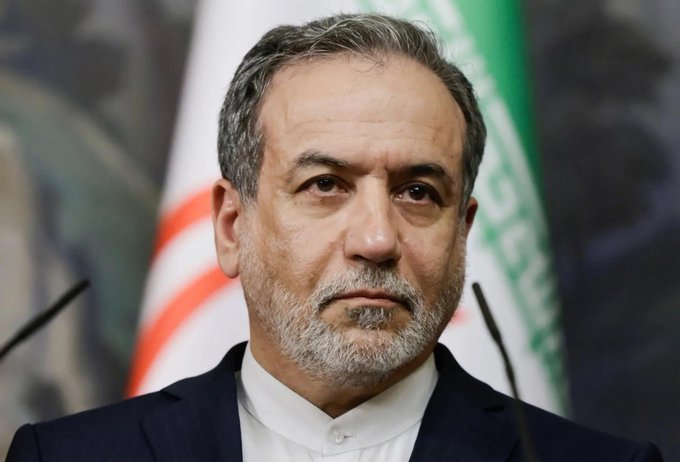
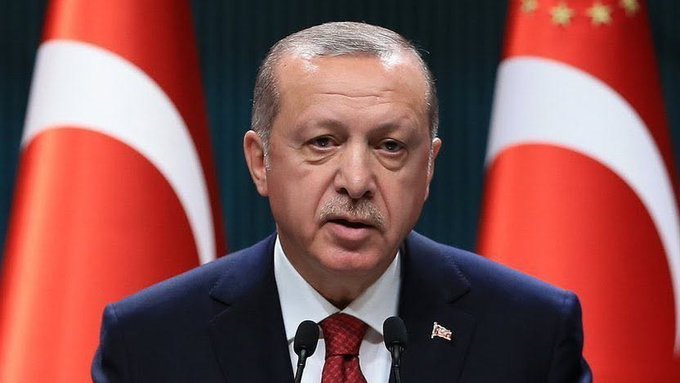
Iranian Foreign Minister Abbas Araghchi warned of a “coordinated campaign” of false flag operations during a high-stakes phone call with his Turkish counterpart, Hakan Fidan, on Tuesday, March 31, 2026. The conversation followed reports that NATO systems had intercepted a ballistic missile entering Turkish airspace, an event Araghchi dismissed as a fabrication designed to sabotage regional diplomacy.
Denying the “NATO Interception”
The call was prompted by a statement from the Turkish Defense Ministry on Monday, which claimed that NATO air and missile defense systems in the Eastern Mediterranean had successfully neutralized a ballistic munition launched from Iran that was heading toward Turkey.
- Araghchi’s Rebuttal: The Iranian Foreign Minister called the reports “completely baseless” and “unfounded.” He emphasized that the Islamic Republic remains committed to the principle of good-neighborliness and respects Turkey’s national sovereignty.
- The “False Flag” Warning: Araghchi warned that “enemies of regional peace” are repeatedly attempting false flag operations to drive a wedge between Tehran and Ankara, particularly as Turkey plays a key role in the “Islamabad Track” peace negotiations.
- Technical Cooperation: In a gesture of transparency, Araghchi stated that Iran is ready for “joint technical cooperation” with Turkish authorities to verify the trajectory and origin of any alleged projectile.
Condemning “Infrastructure Crimes”
Beyond the specific missile incident, Araghchi used the call to brief Fidan on the deteriorating humanitarian situation in Iran following massive U.S. and Israeli strikes.
- Civilian Targets: Araghchi highlighted the “responsibility of all states” to condemn strikes on non-military sites, including universities, schools, energy infrastructure, and residential areas—specifically referencing the recent failure of the Qeshm Island desalination plant.
- U.S. Rhetoric: He described recent threats from Secretary of War Pete Hegseth and President Trump to “obliterate” the Iranian power grid as “criminal threats” that reflect a blatant disregard for international humanitarian law.
- Turkish Mediation: Fidan reaffirmed Turkey’s commitment to ending the war, referencing the recent four-way meeting in Islamabad (Turkey, Pakistan, Saudi Arabia, and Egypt) as the primary vehicle for establishing a permanent ceasefire.
The Regional Context
The friction between Tehran and Ankara over the alleged missile launch comes at a critical time:
- The “Islamabad Track”: Turkey is one of the four key regional mediators currently hosting and facilitating talks between U.S. and Iranian representatives in Pakistan.
- NATO Obligations: As a NATO member, Turkey is integrated into the alliance’s regional defense shield, which has been on high alert since the war began on February 28.
- Sovereignty vs. Alliance: Ankara finds itself in a delicate balancing act—maintaining its sovereign defense against potential “stray” missiles while protecting its role as a neutral arbiter in the conflict.
| Diplomatic Detail | Status (March 31, 2026) |
| Participants | Abbas Araghchi (Iran) & Hakan Fidan (Turkey) |
| Primary Dispute | Alleged Iranian missile launch toward Turkey |
| Iran’s Stance | “Baseless fabrication” / False flag warning |
| Turkey’s Stance | Sovereignty is non-negotiable; Mediation continues |
| Proposed Solution | Joint technical investigation |
Export to Sheets
A “War of Narrative”
The “missile that never was” (according to Tehran) or the “missile that was stopped” (according to NATO) illustrates the intense narrative war surrounding the conflict. As the April 6 deadline approaches, both sides are increasingly using reports of airspace violations and “false flags” as leverage in the final, decisive phase of the peace negotiations.
