
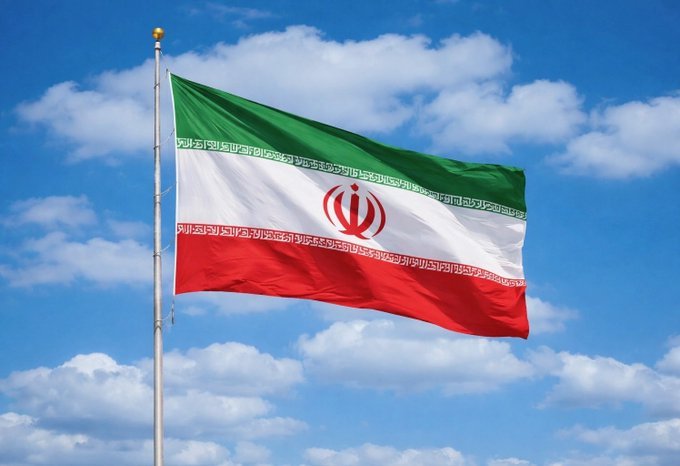
Iranian Parliament Speaker Mohammad Bagher Ghalibaf issued a sharp warning on Monday, March 30, 2026, accusing the United States of masking a secret plan for a ground invasion behind a public facade of diplomatic negotiation. Speaking as the U.S.-Israeli military campaign entered its second month, Ghalibaf claimed that Washington is attempting to use the “Islamabad Track” as a psychological distraction.
“Waiting to Set Them on Fire”
In a message published to mark 30 days of conflict, Ghalibaf struck a defiant tone, asserting that Iranian forces are prepared for a transition from an air and missile war to a direct land confrontation.
- The Allegation: “The enemy signals negotiation in public, while in secret it plots a ground attack,” Ghalibaf stated in a message carried by the official IRNA news agency.
- Readiness for Escalation: He warned that Iranian men are “waiting for the arrival of American troops on the ground to set them on fire and punish their regional partners forever.”
- Defiance of the “15 Points”: Ghalibaf dismissed the U.S. 15-point ceasefire proposal as a list of “wishes” that Washington failed to achieve through force, characterizing the diplomatic push as an attempt to force a “humiliating” surrender.
Deployment of U.S. Marines and Airborne Units
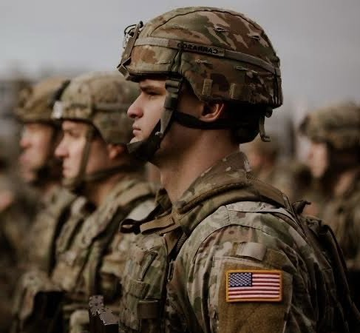
Tehran’s suspicions appear fueled by recent U.S. troop movements in the region, which the Pentagon characterizes as “defensive” or “contingency” preparations.
- Arrival of the USS Tripoli: Ghalibaf specifically referenced the arrival of the USS Tripoli on Friday, carrying 3,500 U.S. Marines and sailors from the 31st Marine Expeditionary Unit.
- 82nd Airborne Deployment: Reports from the Washington Post and Associated Press suggest that thousands more soldiers from the 82nd Airborne Division are mobilizing for potential Middle East deployment.
- “Maximum Optionality”: White House Press Secretary Karoline Leavitt clarified that the Pentagon’s planning is intended to provide President Trump with “maximum optionality” and does not signal a final decision on a ground offensive.
Trump’s “Regime Change” Assessment
While Iran warns of a secret invasion, President Donald Trump has offered a different perspective, suggesting that “regime change” has effectively already occurred due to the number of top Iranian leaders killed since February 28.
- New Interlocutors: Trump told reporters on Air Force One that the U.S. is now dealing with a “new group of people” who are acting “very reasonable.”
- The Kharg Island Ultimatum: Despite his praise for the new “reasonable” group, Trump warned on social media Monday that if the Strait of Hormuz is not “Open for Business” shortly, the U.S. will “conclude its lovely ‘stay’ in Iran” by obliterating all electrical plants, oil wells, and Kharg Island.
| Stakeholder | Public Stance (Mar 30, 2026) | Reported Activity |
| Iran (Ghalibaf) | Accusing U.S. of secret invasion plot. | Mobilizing 1 million fighters; missiles in place. |
| U.S. (Trump) | Seeking a deal “fairly quickly.” | Bombing 13,000+ targets; weighing 10,000 more troops. |
| Pentagon | Providing “contingency” options. | 3,500 Marines arrived; 82nd Airborne mobilizing. |
| Pakistan | Offering to host “meaningful talks.” | Facilitating message exchange between D.C. and Tehran. |
Regional Universities Under Threat
Compounding the tension, the IRGC issued a deadline of 12 p.m. today for Washington to officially condemn the alleged bombing of Iranian universities. Failing this, the Guards warned that American and Israeli university campuses in the region—including those in Qatar and the UAE—would be considered “legitimate targets,” urging students and faculty to maintain a one-kilometer safety distance.
