
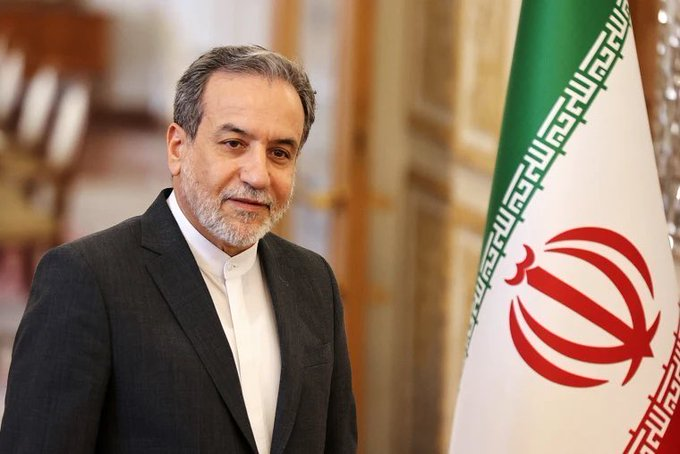
TEHRAN, IRAN — Iranian Foreign Minister Abbas Araghchi issued a blistering warning on Saturday, March 28, 2026, stating that Israel will pay a “heavy price” for its latest wave of airstrikes. The attacks, which targeted Iran’s primary industrial and nuclear infrastructure, have pushed the 28-day conflict into a volatile new phase, threatening to spark a wider regional economic war.
The Targets: Crippling Iran’s Industrial Might
Foreign Minister Araghchi confirmed that joint US-Israeli strikes deliberately hit the country’s most critical economic hubs, including:
- Mobarakeh Steel Company (MSC): Located in Isfahan, the facility saw its power plant and an alloy steel production line neutralized. One worker was confirmed killed, and 15 others were injured.
- Khuzestan Steel Company (KhSC): In Ahvaz, strikes destroyed vital storage silos and warehouses, forcing a total suspension of production.
- Nuclear Infrastructure: Strikes also hit the Shahid Rezayee Nejad yellowcake plant in Yazd and the Khondab heavy water reactor. While the IAEA reports no radiation leaks, the physical damage is described as extensive.
Retaliation: The “Regional Evacuation” Order
In a direct response to the industrial sabotage, the Islamic Revolutionary Guard Corps (IRGC) issued an unprecedented ultimatum to neighboring Gulf states.
“We warn all employees of companies with American shareholders and heavy industries allied with the Zionist regime to leave their workplaces immediately for their own safety.” — IRGC Public Relations Statement
The IRGC-affiliated Tasnim News Agency subsequently published a list of potential retaliatory targets, including major steel and energy plants in Saudi Arabia, the UAE, Qatar, Kuwait, and Bahrain. This “horizontal escalation” suggests Iran may attempt to level the economic playing field by disabling the region’s shared industrial output.
Diplomacy Under Fire: The Trump Deadline
Araghchi’s statement highlighted a sharp contradiction in U.S. policy. Just 24 hours prior, President Donald Trump had extended a “10-day window” for diplomacy, pausing strikes on Iran’s energy sector (oil and gas) until April 6.
“The attack contradicts the POTUS extended deadline for diplomacy,” Araghchi posted on X, suggesting that while the U.S. claims to be negotiating, the continued strikes on industrial and nuclear sites prove a lack of “sincere intent.”
The Role of Pakistan: A Channel for Peace?
Despite the escalating threats, the diplomatic track remains precariously open. Pakistan continues to act as the primary intermediary, with Foreign Minister Ishaq Dar facilitating the exchange of a 15-point U.S. proposal for a ceasefire.
U.S. Secretary of State Marco Rubio confirmed that Washington has received “indications of a willingness to talk” from Tehran via Pakistani channels, though the specifics of who will represent the Iranian side following the death of former leaders remain a point of contention.
| Conflict Metric | Status as of March 28, 2026 |
| Duration | 28 Days (Since Feb 28 Offensive) |
| Total Casualties | Over 1,340 (Per Initial Reports) |
| Hormuz Transit | Closed to US/Israeli-linked vessels |
| Mediation | Led by Pakistan, supported by Turkiye and Egypt |
Ongoing Coverage: The world now watches the Gulf’s industrial zones as the IRGC’s “evacuation” deadline nears. Will the Pakistani-led 15-point plan provide a breakthrough, or will the “heavy price” promised by Araghchi manifest in a new wave of regional strikes?
