
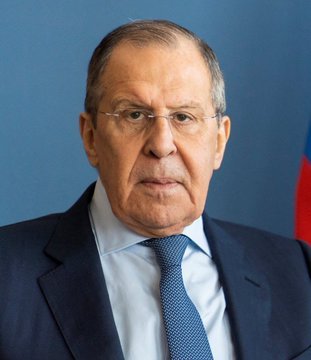
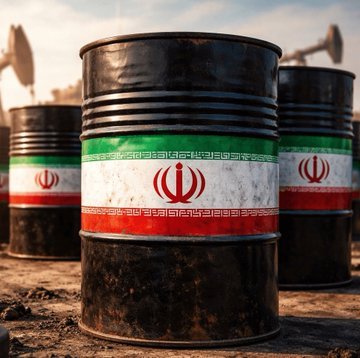
Russian Foreign Minister Sergey Lavrov issued a scathing critique of American foreign policy on Tuesday, March 31, 2026, alleging that the United States’ primary motivation for seeking “regime change” in Iran is to seize control over the nation’s vast energy reserves.
Speaking at a meeting of the Russian Council on International Affairs in Moscow, Lavrov compared the current situation in Iran to historical U.S. actions in Venezuela, suggesting a consistent pattern of “energy-driven interventionism.”
The “Oil and Gas” Ambition
Lavrov’s comments come as the U.S.-Israel-Iran war enters its second month, with global energy markets reeling from the closure of the Strait of Hormuz.
- Resource Control: Lavrov claimed that the U.S. plans to dismantle the Iranian leadership are aimed at gaining “greater control over oil and gas resources,” rather than the stated goals of nuclear non-proliferation or regional stability.
- Economic Sabotage: He argued that by destabilizing major oil producers, Washington seeks to dictate global energy prices and secure a dominant position for American energy exports at the expense of regional sovereignty.
“Divide and Conquer” in the Gulf
The Foreign Minister also accused Washington and Tel Aviv of actively working to sabotage the recent normalization of ties between Iran and its Arab neighbors, such as Saudi Arabia.
- Stalling Diplomacy: “The United States and Israel are trying to prevent this normalization… and are even trying to ‘set’ the members of the Gulf Cooperation Council against Iran,” Lavrov stated.
- The “Either-Or” Principle: He criticized the “either you’re with us or against us” doctrine he believes the U.S. is forcing upon Gulf states, which he claimed is designed to “divide, pit against each other, and conquer.”
- Hypocrisy on International Law: Lavrov pointed to a perceived contradiction in U.S. rhetoric, noting that Secretary of State Marco Rubio recently called the Hormuz closure a violation of international law, while President Donald Trump has reportedly stated he is “not interested in international law.”
Russia’s Position on the Conflict
Throughout the address, Lavrov maintained Moscow’s stance that the military offensive against Iran is an “unprovoked aggression.”
- Humanitarian & Environmental Risks: He reiterated warnings that strikes on Iranian infrastructure—including nuclear sites like Bushehr—pose “unacceptable risks” and could lead to a “radiological disaster.”
- Mediation Efforts: Despite the rhetoric, Lavrov noted that he held a two-hour video conference with GCC foreign ministers on Monday to discuss a diplomatic “off-ramp” based on international law.
- Support for Strategic Partners: He described Iran and the affected Arab nations as “strategic partners” and vowed that Russia would use its influence in the UN Security Council to push for an immediate ceasefire.
| Lavrov’s Key Points | Details (March 31, 2026) |
| Primary U.S. Goal | Control over Oil and Gas resources |
| Regional Tactic | Sabotaging Iran-Saudi normalization |
| Legal Critique | U.S. “selective” use of international law |
| Comparison | Likened Iran policy to U.S. actions in Venezuela |
| Proposed Solution | Immediate return to the political-diplomatic track |
Global Market Reaction
Lavrov’s remarks added further volatility to a market already on edge. With Brent crude trading near $126 per barrel, his assertion that the war is a “resource grab” reinforced fears among Asian and European importers that the conflict may result in a long-term restructuring of Middle Eastern energy ownership.
