
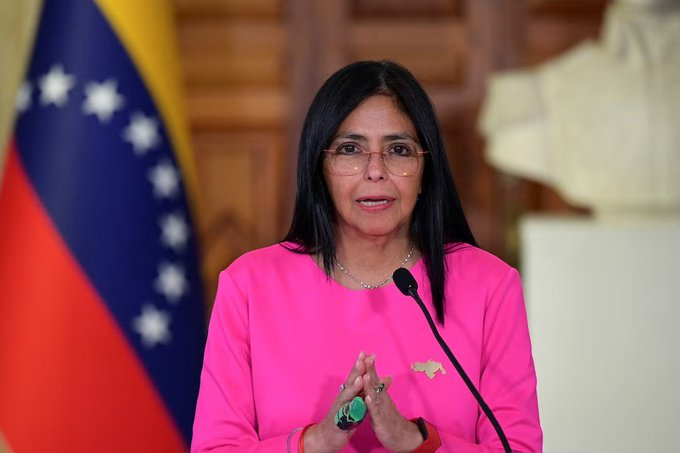
MIAMI BEACH / CARACAS — In a historic and unexpected diplomatic turn, Venezuelan Acting President Delcy Rodríguez made a high-stakes pitch to global investors on Wednesday, March 25, 2026, during the FII Priority “Capital In Motion” Summit in Miami. Addressing the Saudi-backed forum via video from Caracas, Rodríguez presented a radical overhaul of the country’s oil sector, offering private companies unprecedented control and “flexible” fiscal terms as part of a rapid rapprochement with the Trump administration.
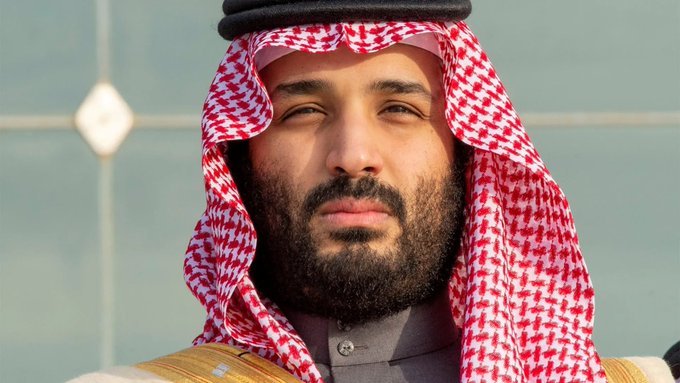
The summit, hosted by Saudi Arabia’s Future Investment Initiative (FII) Institute, has become a focal point for global capital even as the war in Iran disrupts traditional energy markets.
The “64% Negotiation”: A Post-Maduro Pivot
Since the U.S. military capture of Nicolás Maduro on January 3, 2026, Rodríguez has moved with “lightning speed” to dismantle decades of socialist oil policy.
- Ending the Monopoly: A new Hydrocarbon Law, passed in late January, officially ends the state-owned PDVSA’s monopoly. Private firms can now independently engage in exploration, extraction, and—crucially—pricing and commercialization.
- Fiscal Incentives: Rodríguez told the Miami audience that 64% of the price of a barrel is now “up for negotiation.” This includes discretionary reductions in royalties and income taxes, as well as guaranteed dividend returns for investors.
- International Arbitration: In a move to calm years of legal anxiety, the new laws allow for disputes to be settled via international arbitration rather than in Venezuelan courts, a fundamental shift from the Hugo Chávez era.
The “Trump-Rodríguez” Alliance
The presence of a high-ranking Chavista official at a Miami summit—while still technically under U.S. sanctions—underscores the pragmatism of the current White House strategy.
- Direct Authorization: Last week, the U.S. Treasury issued a broad authorization allowing PDVSA to sell oil directly to U.S. companies.
- Double-Digit Growth: Rodríguez projected double-digit economic growth for Venezuela over the next three years, framing the country as a “safe haven” for energy capital displaced by the Strait of Hormuz shutdown.
- The “America First” Cut: President Trump, who is scheduled to deliver the summit’s closing remarks tonight, has publicly boasted that the U.S. is “already taking a cut” of Venezuelan oil, promising that the partnership will lead to lower domestic taxes.
Investor Skepticism vs. Energy Necessity
Despite the lucrative offers, many in the Miami-based Venezuelan diaspora and global energy majors remain wary.
| Aspect | Current Reality (March 2026) |
| Production | Roughly 1 million barrels per day (bpd); Trump has urged a $100 billion investment to restore levels to 3M+ bpd. |
| Sanctions | Phased easing is underway, but “snap-back” risks remain if political reforms (including the release of prisoners) stall. |
| Legal Security | New laws offer protection, but investors like ExxonMobil have expressed skepticism about long-term stability under Maduro-era loyalists. |
| Regional Rivalry | Saudi Arabia’s hosting of the event suggests a new “Global South” alignment aimed at managing oil volatility during the Iran War. |
What’s Next?
All eyes are on President Trump’s speech tonight, Friday, March 27, where he is expected to address the self-imposed April 6 deadline on Iran talks and potentially announce further energy partnerships with Caracas. As the 82nd Airborne prepares for potential ground operations in the Gulf, the “reopening” of Venezuela’s 300 billion barrels of reserves has become the West’s primary insurance policy against a total global energy collapse.
