
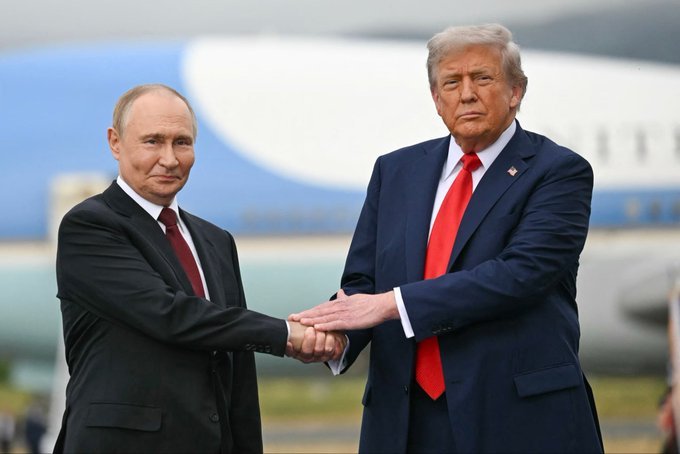
MOSCOW — In a move that could fundamentally reshape the global alignment of the 2026 Iran War, the Kremlin announced on Sunday, March 29, 2026, that it is prepared to normalize and “deepen” relations with the United States as quickly as Washington is willing. The statement, delivered by Foreign Ministry officials, marks a dramatic pivot in Russian rhetoric just 48 hours after Ukrainian President Volodymyr Zelensky accused Moscow of providing the satellite intelligence used in the lethal strike on Prince Sultan Air Base.
The overture suggests that Vladimir Putin is seeking to leverage the Middle East crisis to finalize a favorable settlement in Ukraine and secure long-sought sanctions relief from the Trump administration.
The “Speed of Washington” Doctrine
Russian Foreign Minister Sergey Lavrov and Deputy Foreign Minister Sergey Ryabkov have framed the offer as a return to “pragmatic realism,” conditioned entirely on the pace set by President Donald Trump.
- The Offer: “We are ready to move as far and as fast as the American side is prepared to go,” a senior diplomatic source told TASS. “The era of strategic defeat is over; the era of strategic stability must begin.”
- Normalizing Ties: Moscow is pushing for the full restoration of diplomatic missions, the lifting of “extraterritorial” sanctions, and a return to high-level security dialogues that have been frozen since 2022.
- The “Islamabad” Link: The timing of the announcement is seen as a message to the foreign ministers meeting in Pakistan today. Russia is signaling that it could act as a “stabilizing weight” in the Middle East if its core interests in Europe are respected.
The Grand Bargain: Ukraine for Iran?
Geopolitical analysts suggest the “deepening” of relations is the prelude to a historic “Grand Bargain” being negotiated in backchannels between Riyadh and Miami.
- The Ukraine Settlement: Russia is reportedly seeking formal U.S. recognition of its territorial gains in Ukraine (including Crimea and parts of the Donbas) and a permanent guarantee against NATO expansion. In exchange, Moscow would “cease technical cooperation” with Tehran.
- The Iran Leverage: By offering to “deepen” ties now, Putin is effectively presenting President Trump with an choice: continue a two-front confrontation with Russia and Iran, or “flip” Russia into a neutral—or even helpful—partner in managing the Iranian collapse.
- The “Greenland” Precedent: Recent Russian commentary has compared the strategic necessity of Russia’s “Near Abroad” to Trump’s own interest in Greenland, arguing that “Great Powers” should respect each other’s spheres of influence.
The Strategic Ledger: Russia’s 2026 Trajectory
| Sector | Current Status | The “Deepened” Future |
| Energy | Surge in Sales: Russia is currently India’s top oil supplier, bypassing the Gulf. | Sanctions Relief: Re-entry into European markets and U.S. investment. |
| Military | Technical Aid: Allegedly providing satellite data and hardware to Iran. | Cooperation: Joint counter-terrorism and maritime security in the Gulf. |
| Diplomacy | “Muted” Condemnation: Criticizes U.S. “interference” in the Middle East. | “Centenary Partnership”: Strategic alignment on a new “World Order.” |
Reaction from Washington: “America First” Realism
While the White House has not issued a formal response to today’s specific “deepening” comment, President Trump has previously signaled a willingness to work with Putin to “get the world back to business.”
- The Skeptics: National security hawks in D.C. warn that Russia is playing a “double game”—helping Iran kill U.S. soldiers at Prince Sultan Air Base to raise the “cost of admission” for a deal with Washington.
- The Realists: Proponents of the deal argue that neutralizing Russia is the only way to prevent Operation Epic Fury from becoming a “strategic overextension” that drains the U.S. treasury and military.
What’s Next?
The “speed” of this deepening will likely be determined at the March 31 meeting of the Russian International Affairs Council in Moscow, where Lavrov is expected to unveil a new “Conceptual Vision” for U.S.-Russia ties. If the April 6 deadline for the Iran peace proposal passes without a deal, the “Russian Option” may become the Trump administration’s primary tool for isolating the Iranian regime.
