

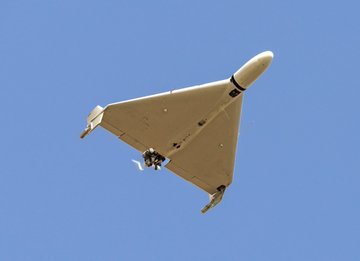
TEHRAN / MOSCOW — In a dramatic shift in military dynamics, Western intelligence reports on March 28, 2026, confirm that Russia has begun shipping “upgraded” versions of the Shahed-series attack drones back to Iran. This “returned to sender” shipment marks the first known instance of Moscow providing lethal military aid to Tehran since the U.S.-Israeli operation, Epic Fury, began 28 days ago.
From Supplier to Recipient: The “Geran” Re-Export
While Iran originally supplied the Shahed-136 design to Russia for use in Ukraine, Moscow has since localized production and implemented significant battlefield modifications. The drones currently being delivered to Iran are reportedly the Geran-2 (the Russian-manufactured variant) and include several key upgrades:
- Electronic Warfare Resistance: Improved anti-jamming capabilities learned from two years of combat against Western-supplied Ukrainian air defenses.
- Precision Navigation: Integration of advanced Russian-designed inertial sensors and satellite navigation modules, some allegedly sourced through Chinese intermediaries.
- Enhanced Payloads: Modifications allowing for heavier explosive warheads and more efficient engine performance for extended range.
- Tactical Guidance: Reports from the Wall Street Journal indicate Russia is also sharing “advanced drone tactics,” advising Iran on optimal launch altitudes and swarm configurations to overwhelm Iron Dome and Aegis systems.
Intelligence and Hardware Transfers
Beyond the physical drones, the military cooperation between the two “Axis of Evasion” members has deepened across several fronts:
- Satellite Imagery: Russia is reportedly providing Iran with real-time satellite data from the Russian Aerospace Forces to help target U.S. naval assets and radar sites in the Middle East.
- Humanitarian Cover: The Kremlin has publicly framed these shipments as “humanitarian aid,” citing the delivery of over 13 tonnes of medicine and food via Azerbaijan.
- Air Defense Requests: While Moscow has reportedly delivered Verba man-portable air defense systems, intelligence suggests they have so far declined Iranian requests for the more advanced S-400 units to avoid further escalation with Washington.
Official Reactions
The news has drawn immediate responses from global leaders:
- President Zelenskyy (Ukraine): Confirmed “100 percent facts” that Russian-made Shaheds are already being used by Iranian-linked forces to strike U.S. bases.
- The Kremlin: Spokesman Dmitry Peskov dismissed the reports as “fake leaks” and “lies,” though he confirmed that Russia maintains a “continuing dialogue” with the Iranian leadership.
- The White House: Press Secretary Karoline Leavitt downplayed the impact, stating that U.S. strikes have already “decimated” Iranian naval capabilities and that external support is not affecting “operational success.”
Regional Impact and Escalation Risks
| Feature | Impact on Middle East Conflict |
| Swarm Tactics | Increased probability of penetrating Israeli and U.S. air defense umbrellas. |
| Naval Threat | Enhanced ability to target the USS Abraham Lincoln and other carrier groups. |
| Diplomatic Fallout | Complicates the 15-point ceasefire proposal currently being mediated by Pakistan. |
The Role of Pakistan
As the primary mediator, Pakistan is currently navigating this new development. Foreign Minister Ishaq Dar is reportedly seeking clarification on whether these Russian shipments violate the “diplomatic spirit” of the ongoing negotiations.
