
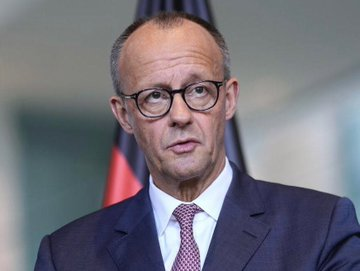

PARIS / BERLIN — Breaking with the typical unified front of the G7, German Chancellor Friedrich Merz issued a sharp critique of Washington and Jerusalem on Friday, March 27, 2026, stating that the U.S. and Israel currently “lack a joint, convincing plan” for bringing the war in Iran to a swift conclusion. Speaking as G7 foreign ministers convened at the Abbaye des Vaux-de-Cernay in France, Merz warned that without a clear political “endgame,” the West risks being dragged into a generational quagmire that could lead to the total “disintegration of the Iranian state.”
The Chancellor’s comments reflect a growing “strategic anxiety” in Europe, where leaders fear the economic and migratory fallout of a prolonged conflict more than the immediate military threat from Tehran.
The “No Joint Plan” Critique
Merz, who has positioned himself as a pragmatist since taking office, emphasized that while Germany shares the goal of neutralizing Iran’s nuclear threat, the method of the current campaign is increasingly concerning.
- Risk of “Libyanization”: Merz explicitly warned against a repeat of the “regime change” scenarios seen in Libya and Iraq. “We have no interest in the dissolution of Iran’s statehood or economic viability,” he noted earlier this month, a sentiment he reiterated today in the context of the April 6 deadline.
- Lack of Consultation: The Chancellor reminded reporters that Germany and its European partners were “not consulted” before the February 28 strikes, creating a trust deficit that is complicating the current effort to reopen the Strait of Hormuz.
- The “Day After” Problem: Merz’s primary criticism is the absence of a “Day After” agenda. He argued that simply bombing infrastructure without a plan for regional integration or a successor government is “not a strategy, but a gamble.”
The German “Four-Point” Alternative
In contrast to the U.S. 15-point proposal—which Merz characterized as “maximalist”—the German Chancellery is pushing for a framework focused on long-term stability:
- Mutual Recognition: A regional order where all neighbors, including Iran, recognize Israel’s right to exist and its security without conditions.
- Permanent Nuclear/Ballistic Freeze: A binding agreement that goes beyond temporary pauses to permanently end Iran’s offensive military programs.
- Economic Stabilization: In exchange for compliance, a “Marshall Plan” for Iran to help it “get back on its feet” and reintegrate into global markets.
- Self-Determination: Supporting the Iranian people in determining their own destiny without foreign-imposed regime change.
Friction at the G7 Summit
The Chancellor’s remarks set a tense tone for the arrival of U.S. Secretary of State Marco Rubio, who is expected to debrief allies on the “Islamabad Channel” talks tonight.
| Leader | Key Stance on the War |
| Friedrich Merz (GER) | “Strategic Skeptic”: Demanding a clear exit ramp; fears energy/migration collapse. |
| Keir Starmer (UK) | “Defensive Only”: Will not join the offensive; focusing on drone interception. |
| Emmanuel Macron (FR) | “Autonomy Advocate”: Increasing France’s nuclear deterrent; seeking a G7-led ceasefire. |
| Donald Trump (US) | “Ultimatum Driver”: Focused on the April 6 deadline; dismisses European “lectures.” |
What’s Next?
Merz is expected to fly to Washington next Tuesday for a high-stakes face-to-face meeting with President Trump. His goal will be to secure a commitment that the 10-day “Energy Pause” will be used for genuine diplomacy rather than just a logistical reload for a ground invasion. If Merz cannot convince Trump to adopt a more multilateral strategy, analysts expect Germany to move toward a more “independent” diplomatic track with regional powers like Saudi Arabia and Turkey.
