
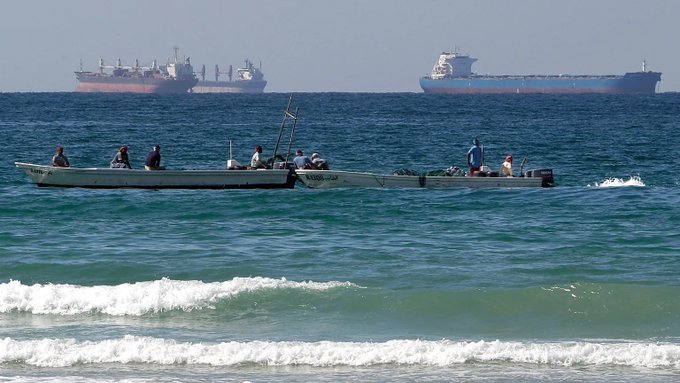
A humanitarian crisis is unfolding in the waters of the Persian Gulf and the Gulf of Oman, where roughly 20,000 seafarers remain stranded due to the near-total closure of the Strait of Hormuz. According to reports from the Financial Times and the International Maritime Organization (IMO) on Monday, March 30, 2026, the month-long war has turned the world’s most critical energy chokepoint into a “killing zone” for civilian mariners.
Since the conflict began on February 28, at least 22 civilian ships have been struck by missiles, drones, or “suicide” boats, resulting in the confirmed deaths of eight crew members and several others missing.
Life on the Front Line
For the crews of the roughly 2,000 vessels currently idling or anchored in the region, the situation has moved from a strategic delay to a fight for survival.
“We are stuck and there were missiles firing over and blasts everywhere,” one sailor told the FT, describing the environment near the Strait. “You see the flashes at night and you just wait for the hit.”
Reports from maritime helplines indicate that many ships are running low on fresh water and food, as standard three-week provisions are exhausted by the indefinite standoff. GPS jamming and AIS interference have further degraded safety, with over 1,100 vessels reportedly affected by electronic warfare.
The Breakdown of Labor Protections
On March 5, the International Transport Workers’ Federation (ITF) and industry groups negotiated a landmark agreement through the International Bargaining Forum (IBF). The deal was supposed to provide:
- Bonus Pay: Double compensation for operating in high-risk zones.
- Right to Refuse Sailing: The legal right for any seafarer to leave a ship before it enters the Gulf, with employer-paid repatriation.
- Death Benefits: Doubled compensation for families in the event of a fatality.
However, unions now warn that these protections exist mostly on paper. According to the ITF, only 30% to 40% of ships are actually complying with the agreement.
“Forced to Continue”
Most distressingly, many sailors allege they are being held against their will by ship owners who prioritize cargo deadlines over human life.
“They are forcing us to continue to do cargo operations… even when we raise our concerns about our safety,” an email from a trapped crew member read. “They are keeping us in a position with no options.”
Many of these workers come from the Philippines, India, and Bangladesh, often serving as the sole breadwinners for their families. Unions report that some owners have cited force majeure clauses to suspend wages entirely, leaving seafarers in a legal and financial limbo while they dodge “unmanned surface vessels” (USVs) in the water.
| Crisis Metric | Current Status (Mar 30, 2026) |
| Stranded Seafarers | ~20,000 (IMO Estimate) |
| Civilian Ships Struck | 22 Confirmed |
| Seafarer Fatalities | 8 Confirmed; 4 Missing |
| Union Compliance | 30%–40% (Estimated) |
| Oil Price Impact | $118/barrel (Brent Crude) |
Strategic Stalemate
The maritime backlog continues to grow as the U.S. 5th Fleet remains hesitant to provide full escorts, deeming the Iranian “swarm” tactics and coastal batteries too dangerous for high-value assets. While Pakistan has successfully negotiated the release of 20 of its own vessels, the vast majority of the global merchant fleet remains paralyzed, waiting for a breakthrough in the Islamabad Track of peace talks.
