
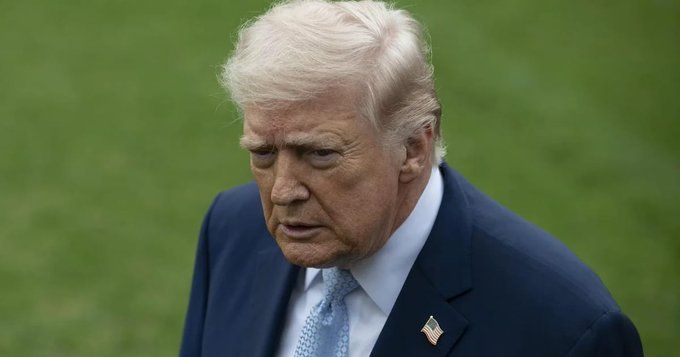
WASHINGTON / ISLAMABAD — In a high-stakes gamble to avoid a global energy collapse, President Donald Trump announced on Friday, March 27, 2026, that he is delaying planned massive airstrikes on Iran’s domestic energy infrastructure. The “10-day pause” shifts the focus to the “Islamabad Channel”—a set of indirect negotiations mediated by Pakistan—aimed at securing a permanent reopening of the Strait of Hormuz.
The President also extended the deadline for Iran to “fully and unconditionally” restore freedom of navigation in the waterway to April 6, 2026.
The “Energy First” Calculus
The decision to step back from the “total infrastructure” phase of Operation Epic Fury follows intense pressure from G7 allies and a cooling of domestic support as global oil prices touched $142 per barrel this morning.
- Targeting the Grid: The Pentagon had reportedly finalized a list of 48 “critical nodes” in Iran’s power grid and fuel distribution network. Striking these would have effectively “turned out the lights” in Tehran but likely triggered a scorched-earth retaliation against Gulf oil fields.
- The “Islamabad” Opening: Trump cited “significant progress” in messages relayed through Pakistani Prime Minister Anwaar-ul-Haq Kakar, suggesting that Tehran might be willing to discuss a “monitored transit” system for commercial ships.
- The Carrot and the Stick: “We have the bombers in the air, the targets are locked,” Trump stated from the Mar-a-Lago war room. “But I’m giving them 10 days to do the right thing. If that Strait isn’t open by April 6, the lights go out in Iran. Permanently.”
The 15-Point U.S. Proposal
The “Islamabad Channel” is currently debating a 15-point framework that Washington hopes will serve as a roadmap to ending the month-long conflict.
| Key Pillars | Proposed Terms |
| Naval Access | Immediate withdrawal of IRGC “tollbooth” boats; guaranteed passage for all flagged vessels. |
| Nuclear Freeze | Permanent cessation of enrichment above 60% and return of IAEA inspectors to all sites. |
| Buffer Zone | A 30km “de-escalation zone” along the Lebanese-Israeli border (addressing the “Gaza Model” concerns). |
| Sanctions Relief | A phased lifting of the “Energy Siege” in exchange for verifiable compliance. |
A Divided Cabinet
Reports from within the White House suggest the 10-day delay was a hard-fought compromise.
- The “Hawks”: Secretary of State Marco Rubio and National Security Advisor Elbridge Colby reportedly argued for an immediate “decapitation strike” on the Iranian power grid to force a regime collapse before the June G7 summit.
- The “Realists”: Treasury Secretary Scott Bessent warned that a total shutdown of Iranian energy could trigger a “Global Depression” by May, as the secondary effects on shipping and insurance would be irreversible.
- The “Wildcard”: Trump’s move is also seen as a way to “test” the new Iranian leadership under Mojtaba Khamenei, determining if the regime is capable of a pragmatic retreat.
What’s Next?
The 10-day clock is now ticking. While the U.S. has paused new infrastructure strikes, “routine” tactical strikes on active missile sites and drone launch pads in southern Iran are expected to continue. The world now waits to see if the IRGC will honor the pause or use the window to refortify its “zombie” drone bases and hidden missile silos.
