
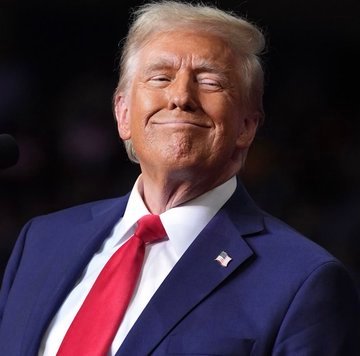
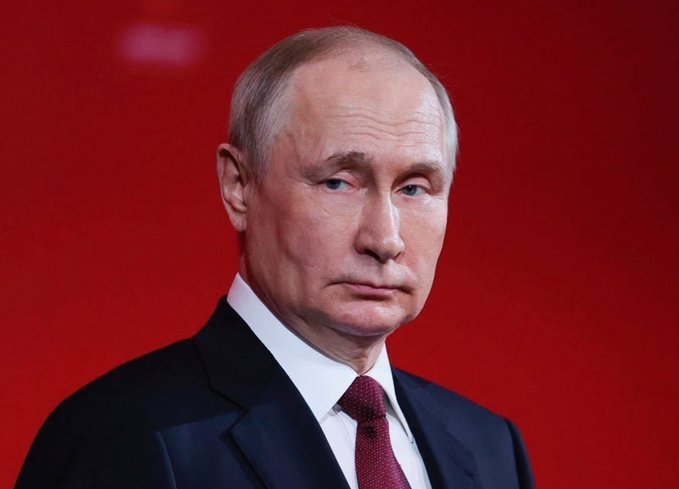
In a significant shift in the “Operation Southern Spear” strategy, President Donald Trump announced late Sunday, March 29, 2026, that the United States will not intervene to stop a sanctioned Russian tanker from delivering crude oil to Cuba. Speaking to reporters aboard Air Force One, the President signaled a temporary easing of the de facto fuel blockade that has paralyzed the island’s energy grid since the U.S. capture of Venezuelan leader Nicolás Maduro in January.
“If a country wants to send some oil into Cuba right now, I have no problem, whether it’s Russia or not,” Trump said. “The people need heat and cooling and all of the other things that you need… I’d prefer letting it in.”
The Anatoly Kolodkin: A Lifeline for Matanzas
The vessel at the center of the standoff, the Anatoly Kolodkin, is reportedly carrying approximately 730,000 barrels of crude.
- Current Position: Tracking data shows the tanker off the coast of northeast Cuba as of Sunday evening.
- Scheduled Arrival: It is expected to dock at the western port of Matanzas by Tuesday, March 31.
- Impact: Energy experts estimate this single shipment—the first to reach the island since January—could power Cuba’s aging electrical grid for roughly two weeks, providing a brief respite from the island-wide blackouts that have shuttered schools and hospitals.
“Cuba is Finished”: The Logic of Easing Pressure
Despite the humanitarian gesture, President Trump maintained a dismissive and hawkish tone regarding the long-term survival of the Cuban government. He argued that allowing a “boatload of oil” would not change the ultimate outcome for President Miguel Díaz-Canel’s administration.
- Regime Failure: “Cuba’s finished. They have a bad regime… and whether or not they get a boat of oil, it’s not going to matter,” Trump asserted.
- The “Next” Target: The President reiterated his stance that once the military operations in Iran are concluded, Washington will pivot its full attention to Cuba. “Cuba is going to be next… within a short period of time, it’s going to fail, and we will be there to help it out.”
Geopolitical Balancing Act
The decision to allow the Russian shipment is being viewed by analysts as a calculated move to avoid a direct maritime confrontation with Moscow while the U.S. is heavily engaged in the Middle East.
- Avoiding Escalation: A forced interception of the Anatoly Kolodkin could have triggered a naval flashpoint with Russia at a time when U.S. troop levels in the Middle East have surpassed 50,000.
- Domestic Pressure: The “Make Cuba Great Again” sentiment among the Cuban-American constituency in Florida has created a complex political landscape, balancing the desire for regime change with concerns over the humanitarian suffering of family members on the island.
- The Venezuela Factor: Following the capture of Maduro, the U.S. successfully choked off Cuba’s primary oil supply. By allowing this Russian shipment, the administration may be attempting to manage the “rate of collapse” rather than causing an immediate, uncontrolled humanitarian catastrophe.
| Vessel Name | Cargo | Destination | Status |
| Anatoly Kolodkin | 730,000 bbls Crude | Matanzas, Cuba | Cleared for docking; Expected Mar 31. |
| Sea Horse | 200,000 bbls Diesel | TBD (Off Venezuela) | Monitoring; Previously bound for Cuba. |
| MT Karachi | Crude Oil | Karachi, Pakistan | Cleared Strait of Hormuz on Mar 16. |
