
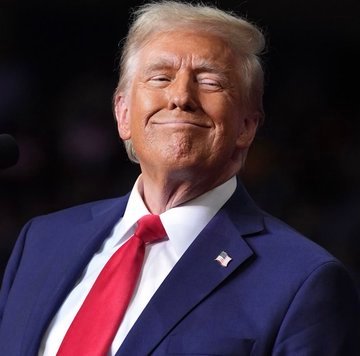
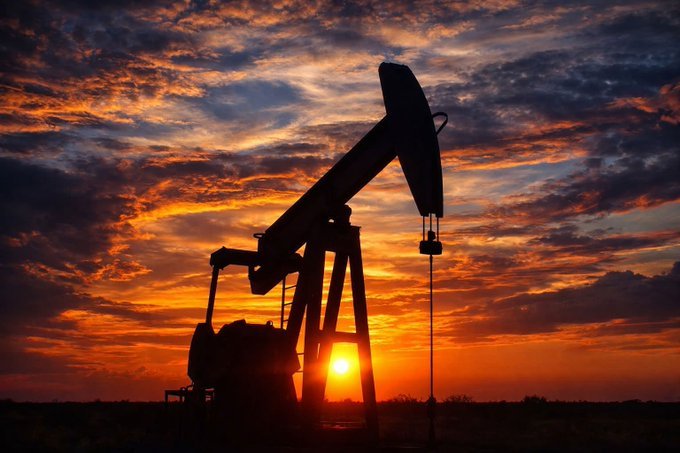
As the closure of the Strait of Hormuz continues to strangle global energy supplies, President Donald Trump issued a bold invitation to the international community on Tuesday, March 31, 2026: nations facing critical jet fuel shortages should look to the United States as their primary supplier.
The President’s “America First” energy pitch comes at a moment of extreme global anxiety, as the maritime blockade in the Persian Gulf has disrupted nearly 20% of the world’s petroleum transit, sending aviation costs to record highs.
The U.S. Surplus Strategy
During a briefing at the White House, the President emphasized that U.S. domestic production—bolstered by a year of deregulatory “energy independence” policies—is prepared to fill the vacuum left by the shuttered Gulf refineries.
- The Direct Quote: “To the countries that are running out of jet fuel because of what’s happening in the Strait, I have a very simple message: Buy from us,” Trump stated. “We have plenty. We have more than anybody, and we’re ready to ship it.”
- Bypassing the Chokepoint: By leveraging U.S. East and Gulf Coast ports, the administration is offering a “safe-harbor” supply chain that avoids the volatile Middle Eastern combat zones.
- Economic Leverage: The offer is being viewed as a strategic masterstroke, potentially tying international allies and neutral nations closer to the U.S. economy while simultaneously devaluing the Iranian blockade’s impact on Western flight operations.
The Global Aviation “Dry-Out”
The urgency of the President’s offer is underscored by the deteriorating situation in European and Asian aviation hubs:
- European Shortages: Major carriers, including Lufthansa and Air France, have reportedly begun “fuel tankering”—carrying extra fuel from non-conflict zones—due to dwindling reserves at Mediterranean airports.
- The Price Spike: Jet fuel prices (Kerosene) have surged by over 35% since the conflict began on February 28, 2026, forcing several budget airlines in Southeast Asia to ground portions of their fleets.
- The “Hormuz Toll”: Iran’s recently implemented “Strait of Hormuz Toll System” has made any fuel originating from the Gulf prohibitively expensive due to “war-risk” surcharges and non-dollar payment requirements.
Logistics and Constraints
While the U.S. has the raw crude and refining capacity, shifting the global supply chain overnight presents significant challenges:
- Tanker Availability: Much of the world’s VLCC (Very Large Crude Carrier) fleet is currently trapped or idling near the Persian Gulf, creating a “ton-mile” shortage for trans-Atlantic and trans-Pacific fuel shipments.
- Refining Bottlenecks: While Trump claims “we have plenty,” U.S. refineries are already operating at near 95% capacity. Diverting a massive percentage of domestic jet fuel to the international market could lead to higher prices for American travelers.
- The “Courage” Ultimatum: The offer to sell fuel coincides with Trump’s earlier demand that the United Kingdom “build up some delayed courage” and secure the Strait themselves, suggesting that U.S. energy will come with a requirement for increased allied defense spending.
| Energy Metric | Status (March 31, 2026) |
| U.S. Crude Production | ~14.2 Million Barrels/Day (Record High) |
| Global Jet Fuel Price | +35% (Since Feb 28) |
| Primary Supply Route | U.S. Gulf Coast to Atlantic/Pacific Hubs |
| Strategic Goal | Offset Hormuz Blockade; Boost U.S. Exports |
| Market Reaction | Brent Crude Volatility ($128/bbl) |
Energy as a Weapon of Peace
Analysts suggest that by positioning the U.S. as the “Refiner of Last Resort,” Trump is increasing the pressure on Iran ahead of the April 6 deadline. If the world realizes it can survive—albeit at a higher cost—without Iranian-transited oil, Tehran’s primary geopolitical leverage (the ability to crash the global economy) begins to evaporate.
