
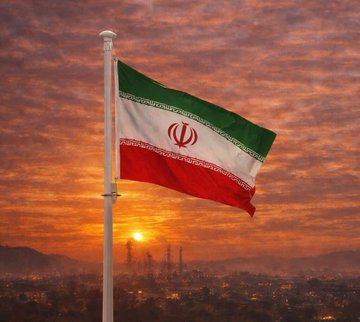
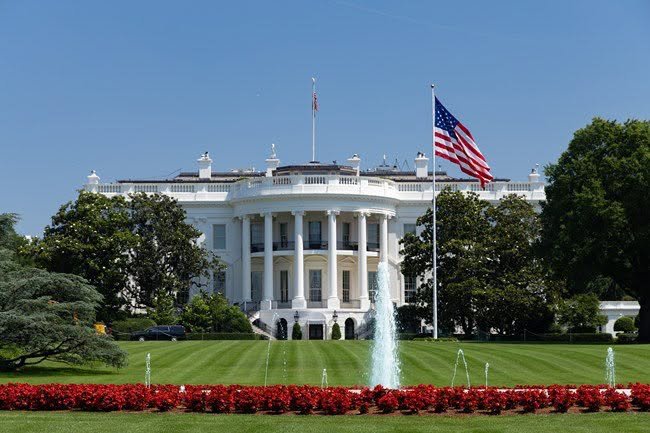
The White House escalated its rhetoric to the highest level of the month-long conflict on Monday, March 30, 2026, warning Tehran of “dire” and “widespread” military consequences if it fails to honor international commitments and move forward with the “Islamabad Track” peace proposal. The warning accompanied a blunt ultimatum from President Donald Trump, who threatened the total destruction of Iran’s vital infrastructure if the Strait of Hormuz is not reopened “shortly.”
The “Dire” Warning: Beyond Airstrikes
White House Press Secretary Karoline Leavitt confirmed that while Operation Epic Fury has already struck over 11,000 targets, the U.S. is prepared to transition to a new, more destructive phase of the war.
- Targeting the Lifeblood: The administration warned that Iranian power plants, desalination facilities, and oil export hubs—specifically Kharg Island—are now on the active target list.
- The “Short” Timeline: “The president has been very clear: the status quo is unacceptable,” Leavitt told reporters. “If Iran continues to play games with the 15-point proposal and maintains its illegal tolling system in the Strait, the military consequences will be dire and irreversible.”
- Ground Force Options: Secretary of State Marco Rubio echoed this sentiment, noting that while ground troops were initially deemed unnecessary, the president now has “a number of options available” to physically seize key infrastructure if the blockade persists.
The “Kharg Island” Ultimatum
In an interview with the Financial Times and subsequent social media posts, President Trump narrowed the focus of the conflict to Iran’s economic survival.
- “Open for Business”: Trump demanded that the Strait of Hormuz be restored to international standards immediately. He mocked the IRGC’s attempt to create a “toll-carrier” system, stating the U.S. would not allow a “terrorist regime” to tax global trade.
- Infrastructure at Risk: “If they don’t want a deal, and they don’t want to open the Strait, we will conclude our ‘stay’ in Iran by taking the oil and blowing up the plants,” Trump warned.
- The “Reasonable” Group: Despite the threats, Trump claimed to be in direct contact with a “new group” in Tehran—including Parliament Speaker Mohammad Bagher Ghalibaf—whom he described as “very reasonable” compared to the previous leadership.
Status of the 15-Point Peace Proposal
The “dire” warning serves as the “maximum pressure” backdrop for the diplomatic efforts currently being mediated by Pakistan.
- U.S. Requirements: The proposal reportedly demands the physical removal of 1,000 lbs of enriched uranium, a permanent halt to drone and missile production, and “toll-free” access to the Strait.
- Iran’s Counter-Proposal: Tehran has publicly scoffed at the U.S. terms, instead demanding an end to “assassinations,” payment for war damages, and a guarantee of Iranian sovereignty over its coastal waters.
- The “Legitimacy Gap”: U.S. officials admitted they are still working to ensure that the individuals they are negotiating with in Tehran actually have the authority to implement a lasting ceasefire.
| U.S. “Dire” Consequences | Strategic Target |
| Energy Grid Destruction | All major Iranian power and electrical plants. |
| Water Scarcity | Targeting of industrial desalination facilities. |
| Oil Seizure | Military occupation or destruction of Kharg Island. |
| Regime Decimation | Continued “surgical” strikes on IRGC command centers. |
Regional Tension and the “Janfada” Response
The White House’s “dire” warning has triggered immediate mobilization across the region. Iran’s IRGC responded by accelerating its “Janfada” recruitment drive, claiming nearly a million volunteers are ready to defend the coast. Meanwhile, in Kuwait, a deadly strike on a desalination plant on Monday served as a grim preview of the “infrastructure war” that both sides now seem prepared to wage if the Islamabad talks collapse.
